
Applied health sciences embody a concrete revolution that combines medical innovations, digital technologies, and biomedical research to transform how we prevent and treat diseases. In 2026, this field establishes itself as an essential pillar, where ethics, the integration of new tools, and public health challenges come together to modernize healthcare systems. Between artificial intelligence, biotechnology, and new holistic approaches, this synergy offers an inspiring panorama of current challenges and promising solutions.
🕒 The article in brief
Dive into the world of applied health sciences and discover how innovations and current challenges are redefining prevention and care.
- ✅ Digital and connected health: Transformation of care through digitalization and eHealth
- ✅ Personalization by AI: Algorithms and big data optimize prevention and treatments
- ✅ Holistic approach: Integration of mental well-being and innovative functional nutrition
- ✅ Public-private synergies: Collaborations strengthening innovation and access to care
📌 An essential exploration to understand how health is reinventing itself at the crossroads of science, technology, and humanity.
Digital transformation and technological innovations in applied health sciences
Integrating digital technologies into the health sector profoundly changes the relationship between patients, professionals, and medical data. In 2026, digitalization no longer limits itself to mere digitization of records; it creates an effective bridge where coordination and monitoring operate in real-time. Platforms like DigiSanté and tools such as MediSyndic enable this instant synchronization, improving not only management but also the quality of personalized advice.
A key example is the Breton startup Nouveau Départ, which developed a unified portal bringing together biological tests, radiology, and vaccinations. From the moment the patient arrives for consultation, the professional has access to a comprehensive health history with one click. This advancement has not only reduced the time dedicated to collecting information but has also strengthened listening and support, essential elements of human-centered medicine.
This digitalization offers several major advantages:
- 📅 Facilitated appointment scheduling via Doctolib, with automatic SMS notifications, replacing long and often tedious phone calls.
- 📄 Secure sharing of reports and results in dematerialized digital format thanks to DigiSanté, promoting quick and secure access.
- 🔔 Personalized prevention reminders sent automatically by email, including direct links to guides and official resources provided by Santé Publique France.
This table illustrates the concrete changes between traditional methods and digital solutions:
| 😀 Feature | 📞 Traditional approach | 💻 Digital approach |
|---|---|---|
| Appointment scheduling | Phone call | Doctolib, SMS notifications |
| Report sharing | Paper delivery | Secure platform via DigiSanté |
| Prevention reminder | Postal mail | Automated email with links to PSI guide |
However, challenges remain numerous. System interoperability, continuous training of health professionals in these new technologies, and cybersecurity are among the priorities to strengthen. Yet, the growing patient adoption proves that these innovations respond to a strong demand, particularly to make the care journey smoother and less burdensome.
In summary, digital transformation shifts medicine from a reactive approach to a proactive one, placing the individual at the center of their health journey, thanks to enhanced interaction and better prevention.
Personalization of treatments and enhanced prevention thanks to Artificial Intelligence
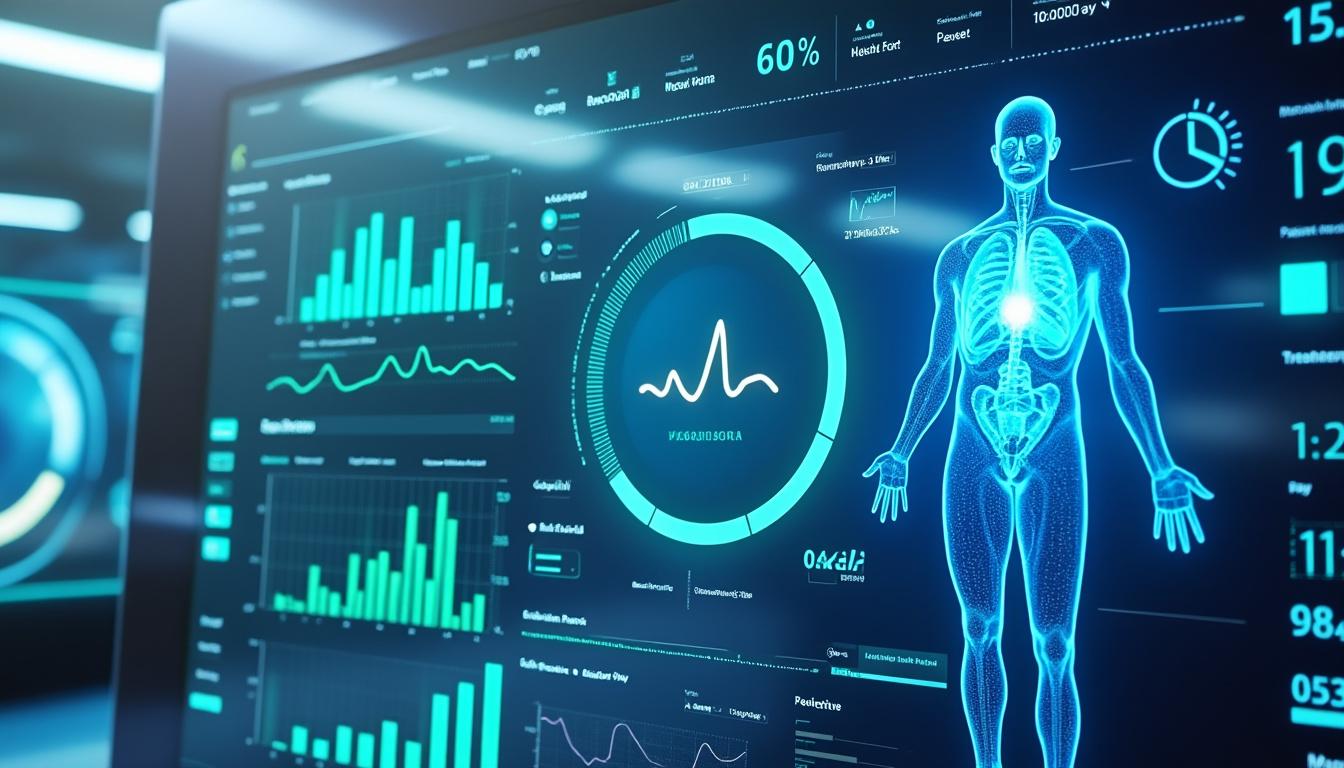
Artificial intelligence (AI) is now among the major drivers of applied health sciences. By exploiting vast datasets — for example, from the Adventist Health Study or the National Health Survey — these algorithms allow precise modeling of the evolution of health risks at national and even local scales.
This analytical capability facilitates early detection of epidemics, stratification of vulnerable populations, as well as optimization of vaccination campaigns. For example, during Immunization Day, AI-driven systems direct resources where efficiency is maximal, reducing waste and improving vaccination coverage.
The table below summarizes the main data sources used and associated types of analysis:
| 📂 Data source | 💾 Estimated volume | 📊 Type of analysis |
|---|---|---|
| Hospital registries | 600 GB/year | Epidemic cluster detection |
| Laboratory data | 250 GB/year | Treatment modeling |
| Field surveys | 70 GB/year | Social determinant analysis |
The Global Sanitation Fund initiative also illustrates how thermal mapping can effectively target field interventions, notably in sanitation, a determining factor for public health.
It is important to highlight that AI in no way replaces the physician. On the contrary, it acts as an analytical co-pilot, capable of alerting teams in case of a rapid increase in flu cases or the emergence of chronic diseases. A Breton University Hospital Center thus reduced its infection management delay from 12 hours to 3 hours in 2026 thanks to a real-time alert system based on AI.
This anticipatory capacity, based on solid evidence, marks a turning point in public health. It offers the possibility to make informed and tailored decisions, anticipating health crises rather than merely reacting to them.
Holistic approach in health: nutrition, mental well-being, and personalized prevention
One of the major current shifts in applied health sciences is the adoption of a holistic vision integrating mental health, functional nutrition, and overall well-being. This approach goes beyond the purely biomedical dimension to consider the person as a whole.
Innovative programs such as Wellness Solutions or Fitnext now offer personalized pathways combining physical activity, meditation, and nutritional advice adapted to the patient’s genetic footprint. The Nutribio brand develops customized dietary supplements, adjusted according to hormonal and genetic profiles to optimize fitness and prevent metabolic diseases.
The pillars of this approach are structured around:
- 🥦 Personalized dietary balance based on genetic and biological analyses
- 🧘 Psychological support with relaxation techniques and stress management
- 🧬 Monitoring hormonal and genetic profiles to anticipate specific risks
- 🤝 Peer education promoting experience sharing and collective motivation
- 🌙 Respect for biological rhythms including sleep and circadian cycle
These programs adapt to different goals, as shown by this summary table:
| 🎯 Program | ⏳ Duration | 🚀 Objectives |
|---|---|---|
| Emotional Psycho Reset | 8 weeks | Stress reduction, anxiety management |
| Genetic Nutrition | 6 months | Metabolism optimization, obesity prevention |
| Restorative Sleep | 4 weeks | Improvement of sleep quality |
A testimony regularly repeated by practitioners: “A teenager confided that his tablet allowed him to calm his mind, and now we end each session with a brief heart coherence session.” This alliance between technologies and a human approach illustrates the richness of holistic prevention, strengthening lasting adherence to care.
Synergies between public and private sectors: levers for sustainable innovation in health
In a context where health challenges are increasingly complex, collaborations between public and private actors appear as an essential engine for innovation and efficiency. These partnerships facilitate not only the funding of projects but also the rapid dissemination of advances at the national level.
Cooperations between Santé Publique France, startups, and hospital institutions are implementing devices such as:
- 🏥 Modular screening centers, designed to be quickly deployed during health crises
- 🚐 Mobile vaccination units, ensuring access to isolated populations
- 💉 Traceability solutions for vaccines and treatments, thanks to IMS technologies
- 🎓 Joint training between health professionals and biomedical engineers
- 🔬 Shared research platforms like IDR Centraliser, promoting data exchange and know-how
The following table details the complementary role of the public and private sectors in this dynamic:
| ⚙️ Type of partnership | 🏛️ Public role | 🏢 Private role |
|---|---|---|
| Infrastructure | Development | Funding and management |
| Research & Development | Clinical data | Technological innovation |
| Training | Educational program | Professional expertise |
These partnerships strengthen the rapid response capacity to epidemics and complex challenges such as aging or chronic diseases. This synergy embodies a new form of balance, where efficiency and ethics advance hand in hand for equitable access to care.
Key innovations in applied health sciences in 2026
Discover major advances that are transforming the health sector and their challenges.
How is patients’ personal data protected?
Platforms strictly comply with GDPR and use secure hosting solutions with data encryption to ensure confidentiality.
Can artificial intelligence replace the doctor?
No, AI acts as an analytical assistant to optimize decision-making, never substituting human expertise.
What are the average costs of connected devices for patients?
Prices vary depending on features, ranging from several tens to several hundred euros, adapted to different budgets and needs.
Do public-private partnerships risk increasing inequalities?
Well-structured governance ensures equitable access, while providing financial flexibility and rapid innovation.
Where to find information on the latest medical innovations?
Official sites like Santé Publique France and specialized journals in HealthTech Innovation are reliable and up-to-date sources.


