
Stopping the contraceptive pill is a major step for many women, whether it is due to a desire to become pregnant, bothersome side effects, or a wish to return to natural contraception. However, this transition can often cause temporary hormonal imbalances, with varied post-pill symptoms such as irregular menstrual cycles, mood swings, or skin changes. This adjustment period requires appropriate support and a balanced lifestyle to promote harmonious hormonal regulation. Understanding the mechanisms involved and adopting kind practices towards oneself are the keys to a calm and respectful cessation of one’s feminine health.
The article in brief
A gentle transition after stopping the pill helps preserve your natural hormonal balance while anticipating variations in your cycle.
- Choose the right time: Finish your pack to limit irregular bleeding
- Anticipate effects: Possible acne, irregularities, and libido fluctuations
- Promote a healthy lifestyle: Balanced diet, regular physical activity, and restorative sleep
- Medical supervision: Consult a professional for complete post-discontinuation follow-up
A progressive and supported approach is essential so that stopping the pill sustainably supports feminine health and hormonal balance.
Stopping the pill: a choice that involves major hormonal transformations
The body subjected to hormonal contraception gets used to an artificial rhythm. From the stop, it must resume the natural management of its menstrual cycle, which can prove complex. This change is often accompanied by a transient hormonal imbalance, responsible for well-known side effects such as mood swings, menstrual irregularities, or skin changes. These symptoms result from the resumption of endogenous hormone production, often disrupted by years of pill use. Preparing this transition in an informed and supported way optimizes natural hormonal regulation and avoids overly pronounced discomfort.
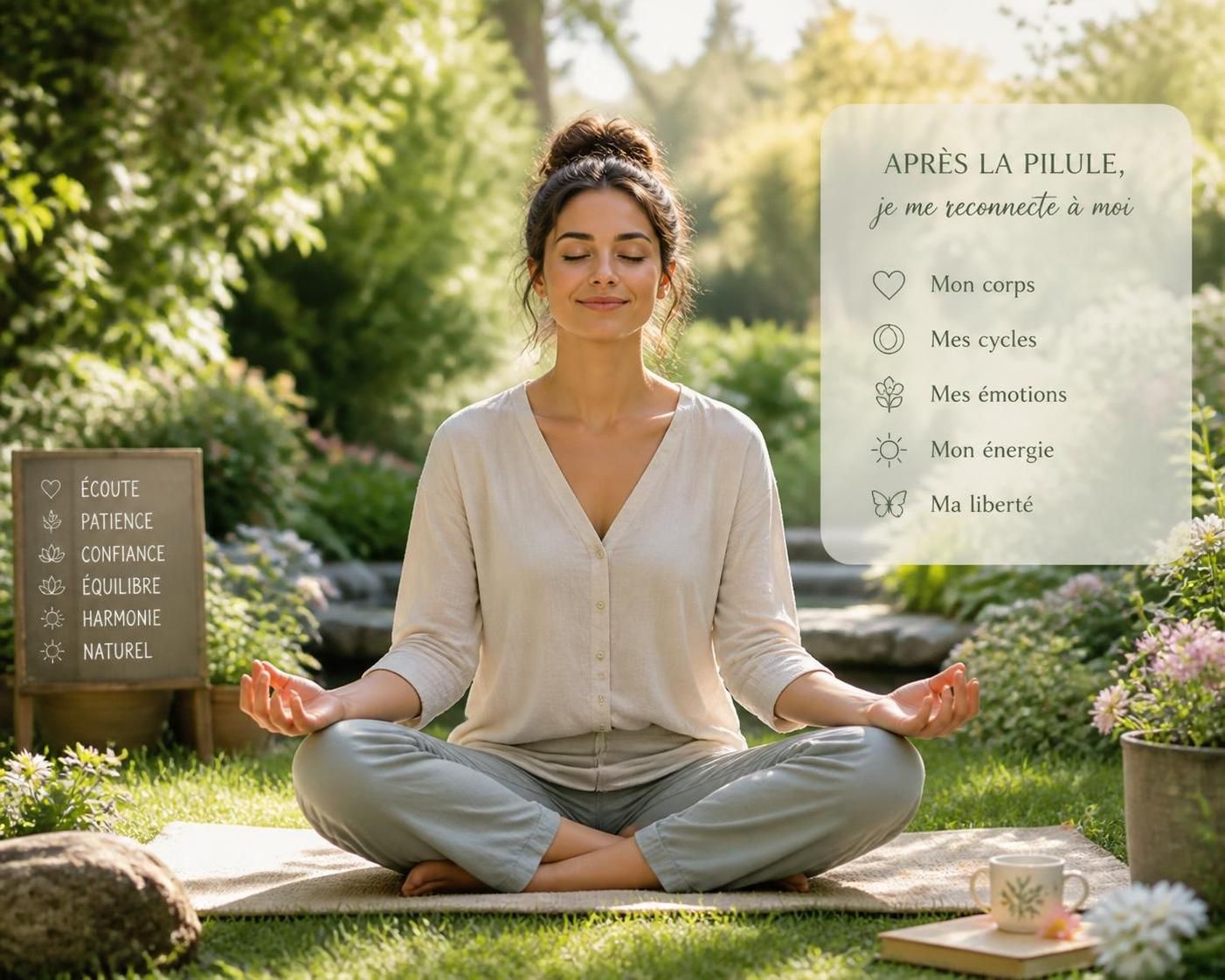
Why and when to consider stopping the pill?
The reasons for stopping the contraceptive pill are multiple. Most often, the desire for pregnancy motivates this stoppage. Fertility can return from the next cycle, but it can also take several months to restore, especially after long-term use. Other women choose to stop because of side effects such as migraines, nausea, decreased libido, or persistent mood swings. Sometimes, stopping is necessary due to medical contraindications revealed later, notably with smoking or cardiovascular history. Finally, some opt for natural or non-hormonal contraceptions.
In all cases, it is strongly advised to consult a healthcare professional to establish an adapted plan, including the discovery of contraceptive alternatives, such as the copper IUD, diaphragm, or condom. This contraception transition must be considered to avoid any unwanted interruption.
How to manage side effects related to stopping the pill?
After stopping the pill, the body may react with a series of post-pill symptoms: return of acne, weight fluctuations, irregularity of the menstrual cycle, or changes in libido. These manifestations reflect the time necessary for hormonal rebalancing. Here are some tips to better endure this period:
- Monitor your diet: favor foods rich in omega 3 such as fatty fish, flax or chia seeds, nuts, and reduce refined sugars as well as industrial products.
- Maintain regular physical activity: practice a sport at least 3 times a week, or even a simple daily 30-minute walk.
- Ensure quality sleep: adopt a regular bedtime and wake time routine to stabilize the hormonal system.
- Manage stress: meditation, yoga, or other relaxing practices support emotional and hormonal balance.
Common myths and realities about stopping the pill
Contrary to a frequently heard idea, stopping the pill does not systematically cause an immediate return to a perfectly regular cycle. Indeed, resuming the natural rhythm can take several months, and it is important to be patient. Some women, notably those with polycystic ovary syndrome (PCOS), will notice a resurgence of symptoms such as acne or menstrual irregularity. In this context, it is crucial to be followed by a professional who can guide towards adapted strategies, sometimes including complementary approaches such as naturopathy.
Comparative table of the main contraception methods after stopping the pill
| Method | Type | Advantages | Disadvantages | Usage |
|---|---|---|---|---|
| Copper IUD | Non-hormonal | Long term, effective, hormone-free | May increase painful periods | 4-5 years |
| Male/Female condom | Barrier | Protection against STIs, no hormones | May reduce spontaneity | Occasional use |
| Diaphragm | Barrier | Reusable, non-hormonal | Less protective than a condom | Before each intercourse |
| Withdrawal method | Natural | No tools or products | Very unreliable, risky | Each time |
Medical follow-up and essential diagnostics after stopping
To avoid any complications and better understand your body’s fluctuations, a hormonal assessment is recommended about 3 months after stopping. This check-up can include blood tests and an ultrasound to rule out pathologies like endometriosis or PCOS. In 2026, ANSM recommendations also emphasize the need to regularly evaluate the contraception used to prevent any risk, especially in women over 45 exposed to certain types of pills. Within the framework of an online medical consultation, it is easier to ensure personalized and rapid follow-up to address encountered difficulties.
The benefits of a global approach to preserve hormonal balance
Besides diet and sport, several complementary practices prove particularly effective to support hormonal balance. Meditation, stress management, and a healthy lifestyle contribute to stabilizing hormonal axes, thus limiting symptoms linked to contraception transition. By relearning to listen to one’s body and following the menstrual cycle, each woman becomes an actor in her well-being. Noting symptoms and the body’s natural rhythms helps better anticipate cycles and speak knowledgeably with health professionals.
Is it normal to have irregular periods after stopping the pill?
Yes, the body takes several weeks to several months to restore a stable natural cycle, which can cause irregular periods at the beginning.
Can you become pregnant immediately after stopping the pill?
Fertility can return from the first cycle after stopping, so pregnancy is possible quickly; it is important to plan contraception if pregnancy is not desired.
What are the best natural ways to help rebalance hormones?
Adopting a diet rich in omega 3, practicing regular physical activity, and managing stress through meditation are effective pillars.
When to consult a doctor after stopping the pill?
If cycles do not return to normal after six months, if worrying symptoms appear, or in case of difficulty conceiving, it is important to consult.
Can stopping the pill worsen symptoms of polycystic ovary syndrome?
Yes, stopping can cause the reappearance of PCOS symptoms. Specialized medical follow-up is then recommended to manage the situation.


