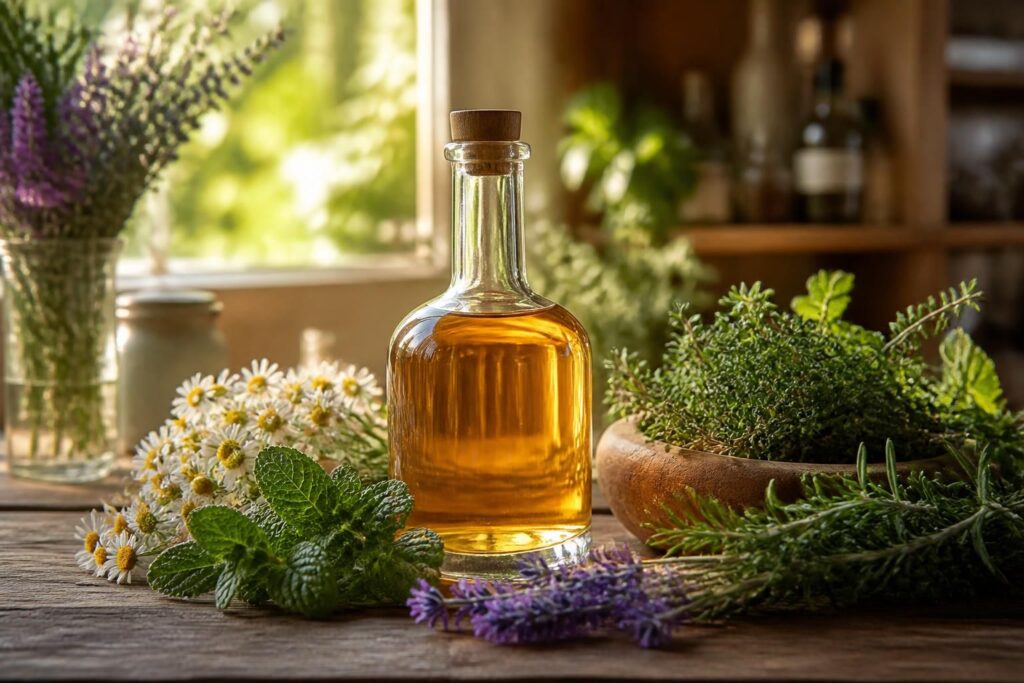
Medicinal plants combined with alcohol reveal a world of unsuspected benefits for natural health. These remedies, often made from infusions or herbal teas enriched with alcohol, harness the therapeutic properties of healing plants while offering a unique sensory experience. Between tradition and modernity, understanding how alcohol can enhance the virtues of plants paves the way for gentle solutions for daily well-being.
The article in brief
Discover how the combination of alcohol and medicinal plants offers effective natural remedies for the body and mind.
- Beneficial synergy: Alcohol potentiates the effects of traditional medicinal plants.
- Adaptogenic plants: Allies for managing stress and withdrawal-related disorders.
- Revisited ancient recipes: Liqueurs and infusions to support digestive and mental health.
- Safe practices: Importance of moderation and professional advice.
Adopting natural remedies incorporating alcohol and medicinal plants promotes lasting and balanced health.
Alcohol and medicinal plants: a duo with complementary virtues for natural health
Alcohol, used with caution, proves to be a powerful vector for extracting and concentrating the active principles of medicinal plants, thus revealing their therapeutic properties. For example, herbal liqueurs such as Chartreuse or verbena, macerated in quality alcohol, combine digestive benefits and calming effects. These artisanal preparations, inheritors of ancestral recipes, facilitate better assimilation of plant extracts, contributing to nervous system regulation and supporting liver metabolism.
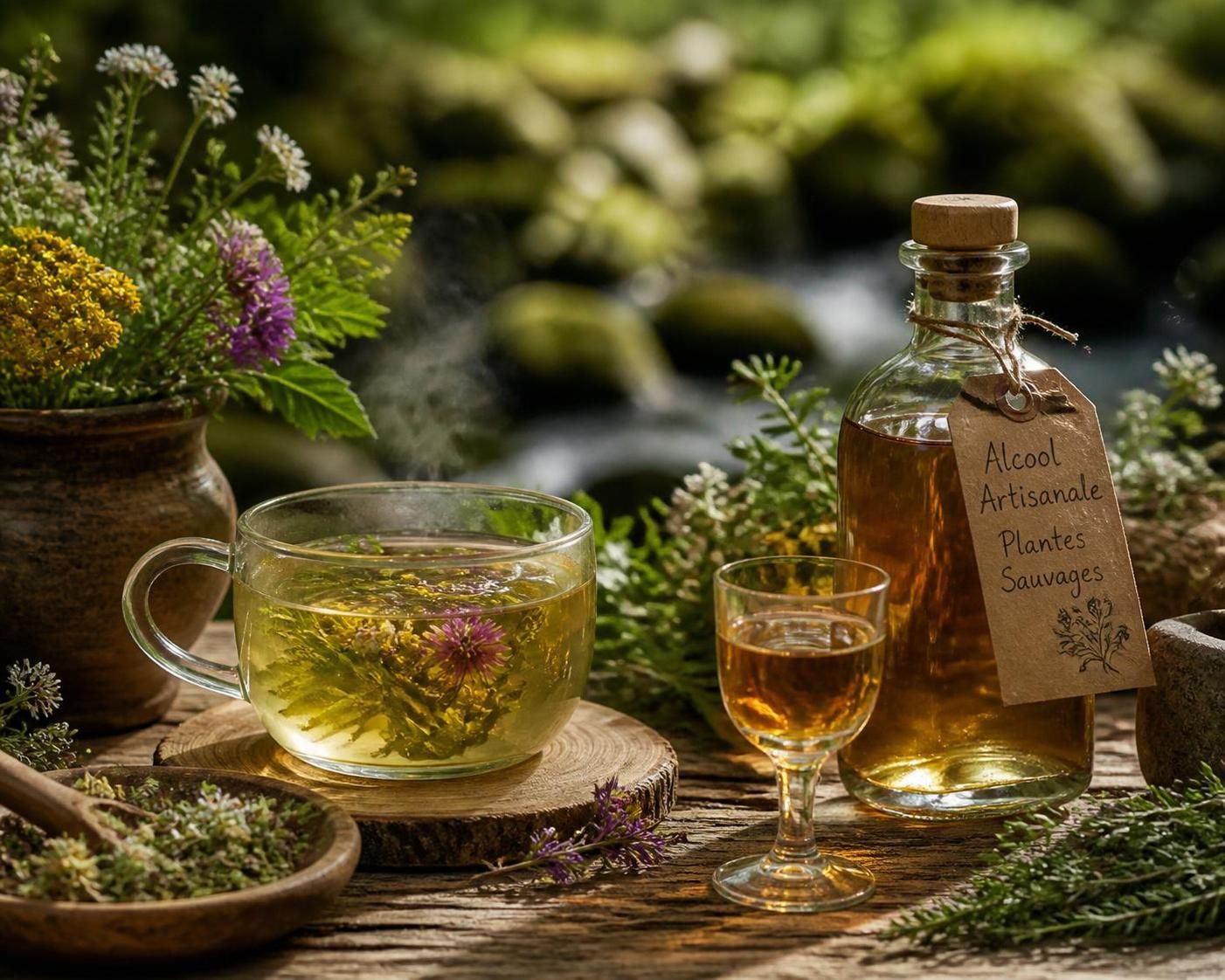
Kudzu, an effective natural remedy against alcohol addiction
Originating from Asia, Kudzu has established itself as an emblematic plant in the natural management of alcohol craving. Its active compounds modify brain receptors linked to pleasure, thus reducing excessive consumption. By slightly increasing acetaldehyde, a substance associated with the unpleasant effects of alcohol, this plant creates a sort of deterrent effect. Furthermore, it supports liver detoxification, cleansing the body of toxic effects.
Used as an extract or tincture, Kudzu can be incorporated into gentle consumption rituals, accompanied by other adaptogenic plants such as rhodiola or valerian, thus optimizing the withdrawal process while respecting mental well-being.
Adaptogenic plants and mental benefits during alcohol withdrawal
Rhodiola and Valerian, known for their adaptogenic properties, play a key role in managing stress and sleep disorders common during alcohol cessation. Rhodiola balances cortisol production, the stress hormone, and promotes a state of calm alertness, while Valerian, by acting on GABA receptors, facilitates natural and restorative sleep. These plants combined with infusions containing controlled alcohol levels represent a precious balance between supporting natural health and enjoying pleasure.
Alcoholized infusions and herbal teas: simple recipes to enjoy therapeutic properties
Alcoholized infusions and herbal teas are gestures with traditional charm that combine gustatory pleasure and the effectiveness of healing plants. For example, an infusion of peppermint in an artisanal alcoholate is ideal for promoting digestion and relieving headaches or fatigue. Peppermint releases its stimulating virtues while ensuring fresh breath.
Verbena, for its part, promotes a state of relaxation, perfect after a heavy meal, while plant liqueurs such as Gauloise, rich in saffron, are prized for their antioxidant and natural antidepressant virtues.
Precautionary measures and proper use of alcohol-based natural remedies
Despite their natural origin, these elixirs must be consumed in moderation, keeping in mind that alcohol remains a factor to monitor in any health approach. Some drug interactions are possible, especially with psychotropic or hepatic treatments. It is strongly recommended to seek advice from a health professional before any prolonged use. Increased caution ensures that the marriage between alcohol and medicinal plants highlights well-being rather than dependence.
At the same time, adopting a balanced diet rich in foods with natural virtues, as recommended in good nutritional practices, optimizes the effectiveness of natural care.
| Medicinal Plant | Main Benefit | Traditional Form | Specific Effect Linked to Alcohol |
|---|---|---|---|
| Kudzu | Reduction of alcohol craving | Extract, tincture | Increase in acetaldehyde, deterrent effect |
| Rhodiola | Stress and fatigue management | Infusion, extract | Improved bioavailability |
| Valerian | Improved sleep | Tea, tincture | Enhanced action on the nervous system |
| Peppermint | Digestive and energetic stimulation | Infusion, alcoholate | Concentrated extraction of essential oils |
Integrating these natural solutions daily for sustainable health
Combining alcohol and medicinal plants in artisanal preparations remains an art of living. Whether through herbal teas or liqueurs, it is important to observe responsible consumption to sustainably establish a sensation of well-being. These natural remedies perfectly illustrate that with a little wisdom, natural health can be enriched by centuries-old traditions while asserting its modernity.
To deepen natural solutions for specific pains, follow our advice on this natural remedy for intercostal pain, which well illustrates the art of reconciling medicinal plants and daily well-being.
Can medicinal plants alcoholized be consumed daily?
Moderate and regular consumption can be beneficial, but it is essential to respect recommended doses and avoid prolonged use without medical advice.
What are the dangers of combining alcohol and plants?
Alcohol can potentiate or interact with certain compounds of plants and medications. Medical consultation is strongly recommended to prevent undesirable effects.
Is Kudzu a recognized treatment for alcoholism?
Kudzu is a natural supplement helping reduce alcohol craving, but it does not replace medical treatment or specialized support.
How to prepare an alcoholized medicinal infusion at home?
Choose a suitable plant, macerate it in quality alcohol at room temperature for at least one week, then filter before consumption.
Are plant liqueurs suitable for everyone?
They should be avoided by pregnant women, children, and people with severe liver or digestive diseases.


