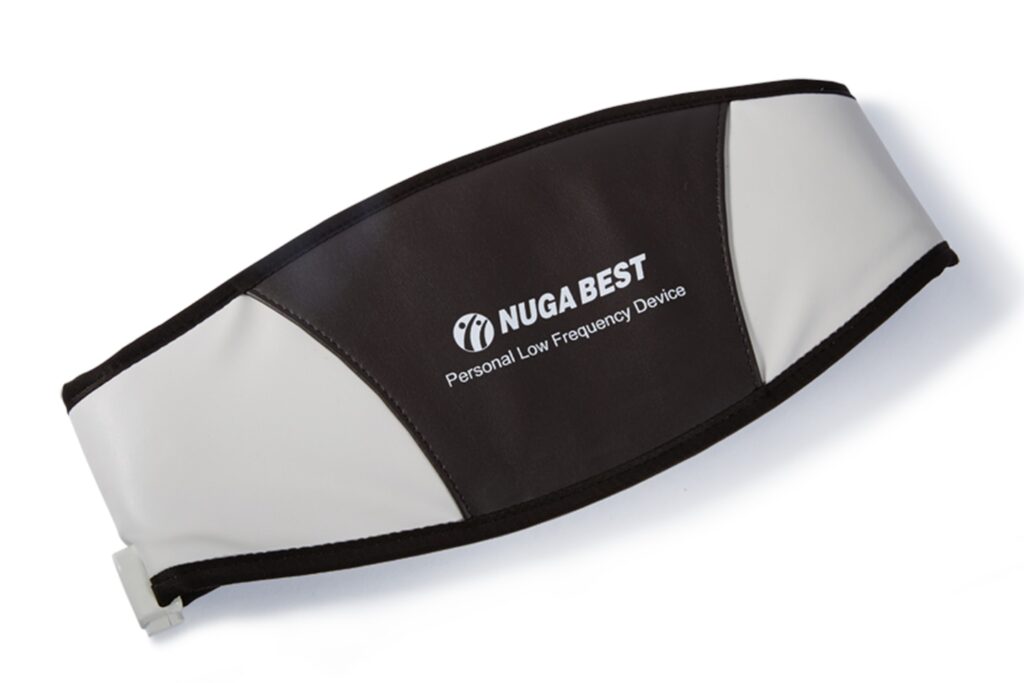
The inguinal hernia, especially common in men, manifests as a painful bulge in the groin due to a weakness in the abdominal wall. Understanding which movements to avoid is essential to prevent intensifying the pain or risking serious complications such as hernia strangulation. Limiting efforts that increase intra-abdominal pressure, adapting daily movements, and favoring moderate physical activities promote healing and daily comfort, while preparing for a possible intervention.
Article in brief
An inguinal hernia requires rethinking movements to avoid pain and complications. This article offers practical advice to spare this fragile area of the body and support recovery.
- Movements to avoid: avoid heavy loads and efforts that increase abdominal pressure
- Activities to favor: walking, gentle swimming, and stationary cycling to maintain physical activity
- Daily posture: adapted movements for picking up or standing up without straining
- Post-operative follow-up: gradual resumption of sports and vigilance for warning signs
Protecting the inguinal area with simple gestures is the key to easing pain and ensuring safe recovery.
Understanding the inguinal hernia and its mechanisms for better management
An inguinal hernia occurs when tissues, often a portion of intestine, pass through a weak point in the abdominal wall at the groin. This phenomenon is mainly linked to excessive intra-abdominal pressure that pushes these tissues outward. The inguinal canal, particularly in men, is a fragile zone where this protrusion is more frequent. Understanding these mechanisms reveals why certain movements should be avoided, as they increase tension on the abdominal wall and intensify pain. This condition affects one in three men, representing a public health challenge impacting a large population.
Diagnosis and variations according to types of inguinal hernia
Diagnosis mainly relies on clinical observation: a bulge in the groin often appears when standing and may disappear at rest. Sometimes imaging exams confirm the extent of the protrusion and guide treatment. There are two classic forms: direct hernia, which passes directly through the weakened muscle wall, and indirect hernia, more common, which follows the natural path of the inguinal canal. This distinction is essential as it shapes personalized advice for recurrence prevention and pain management.
Movements to absolutely avoid to prevent worsening the pain
Caution is required with certain daily or sports movements that impose increased pressure on the inguinal area. Here is an overview of the movements to refrain from:
- Carrying heavy loads: lifting over 5 kg can worsen the hernia and pain.
- Classic abdominal exercises: crunches, sit-ups, and leg raises heavily sollicitate the abdominal muscles.
- Intense planking: prolonged holding of the position increases intra-abdominal pressure.
- Squats and deadlifts: especially if performed with heavy weights or improper techniques.
- Sudden movements and trunk twists: promote tensions and risk of strangulation.
- Sudden pushing efforts: during constipation or coughing, it is important to limit pressure on the inguinal area.
Respecting these guidelines is vital to prevent worsening of the hernia and effectively managing pain at home while awaiting medical or post-operative care.
Alternative options to maintain physical activity safely
To avoid inactivity, it is advised to choose gentle and progressive exercises that support mobility and muscle tone without overloading the abdominal wall:
- Daily walking: ideal for maintaining circulation and preventing stiffness.
- Breaststroke swimming: fluid movement, low impact on the abdominal core.
- Stationary cycling without resistance: promotes endurance without excessive pressure.
- Gentle stretches: improve flexibility and reduce muscle tension.
- Postural work and controlled breathing: provide abdominal support without compression.
Adapting posture daily to relieve the inguinal hernia
Every movement, even routine, can play a role in pain and risks related to the hernia:
- Picking up an object: bend the knees and keep the back straight rather than leaning forward.
- Getting out of bed: roll onto your side and use your arms to reduce abdominal pressure.
- Sneezing or coughing: place a hand on the painful area to limit pressure.
- Avoid prolonged standing positions: alternate sitting and standing postures to support circulation.
- Practical footwear: favor slip-on or Velcro models during convalescence.
Sports to avoid and those to favor for better prevention
Not all sports are equal in case of inguinal hernia. Some impose pressure on the abdominal wall that should be avoided, especially before complete healing:
- To absolutely avoid: weightlifting, heavy bodybuilding, CrossFit, combat sports (boxing, judo, wrestling), soccer, rugby, basketball.
- Considered activities: walking, gentle swimming, cycling without resistance, gentle yoga, and mobility exercises.
These sport choices respect the necessary balance between maintaining general fitness and protecting fragile tissues, favoring progressive and lasting recovery.
Post-operative advice for a safe return to activity
After surgery, a rest phase is essential but must be balanced with a gradual resumption of activity to avoid complications and recurrence. The following recommendations help respect this crucial stage:
- Weeks 1-2: light walking without effort.
- Weeks 3-4: stationary cycling without resistance, gentle swimming.
- Weeks 5-6: moderate resumption of light running and adapted yoga.
- Beyond 3 months: progressive return to moderate bodybuilding and team sports, with medical advice.
Regular medical follow-up should accompany these stages to adjust efforts according to pain and healing.
Which movements increase the risk of aggravating the inguinal hernia?
Efforts that increase intra-abdominal pressure such as lifting heavy loads, classic abdominals, loaded squats, and sudden trunk twists are strongly discouraged.
Can physical activity be practiced with an inguinal hernia?
Yes, favor low-impact activities such as walking, gentle swimming, and stationary cycling, which maintain fitness without worsening pain.
What post-operative precautions should be followed after surgery?
Rest is crucial during the first weeks, followed by a gradual resumption of activity with the surgeon’s agreement, avoiding exercises that heavily sollicitate the abdominal wall.
Should a support belt be worn after an operation?
It can provide temporary relief, but prolonged use is discouraged to avoid muscle weakening. To be used only during specific activities and under medical prescription.
What signs should alert after surgical intervention?
Persistent intense pain, redness, swelling, or high fever require urgent consultation to avoid complications.


