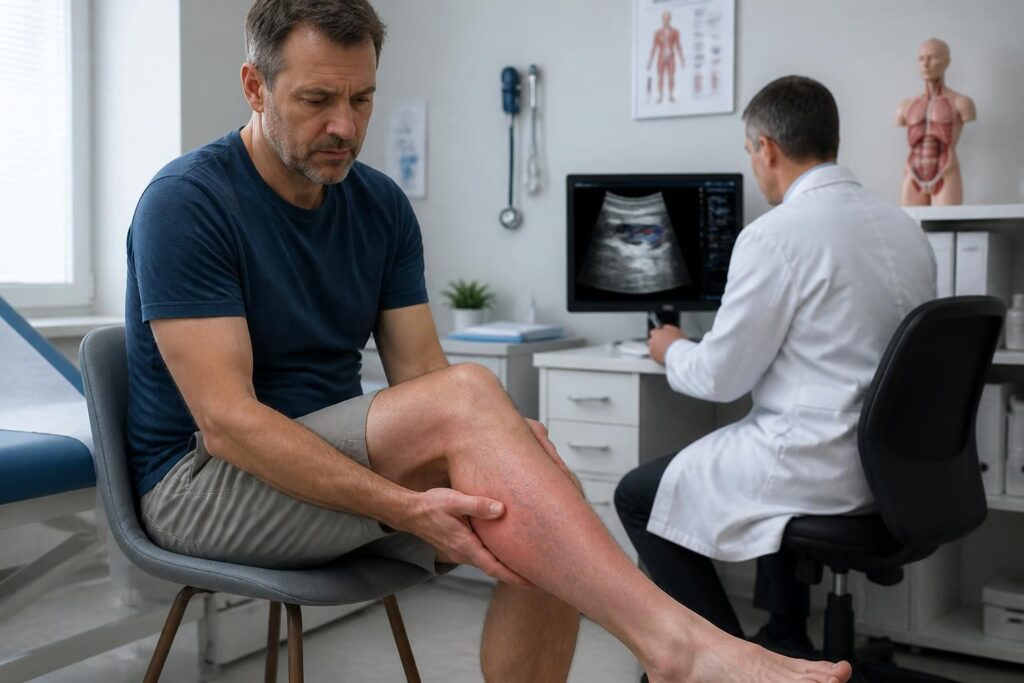
Calf pain at rest is often a perplexing experience, as this muscular discomfort occurs without apparent exertion. Beyond mere discomfort, it can reveal various underlying causes, ranging from mild muscle strains to serious vascular conditions. Understanding the different origins of this pain is essential to act cautiously and avoid severe complications. From nighttime cramps to phlebitis or ischemia, each symptom points to a specific management approach. Being informed about these mechanisms is the first step toward better body awareness and appropriate daily management.
The article in brief
Discover the multiple reasons behind calf pain felt at rest to better understand and respond according to the situation.
- Common muscular causes: micro-traumas, tendinitis, strains are frequent
- Vascular warning signs: phlebitis and venous ischemia require immediate vigilance
- Effective approaches: rest, physiotherapy, and specific treatments
- Daily prevention: hydration, stretching exercises, and gradual effort management
Understanding the causes of your calf pain is the key to acting calmly and preserving your well-being.
Muscular causes: cramps, strains, and tendinitis to watch for
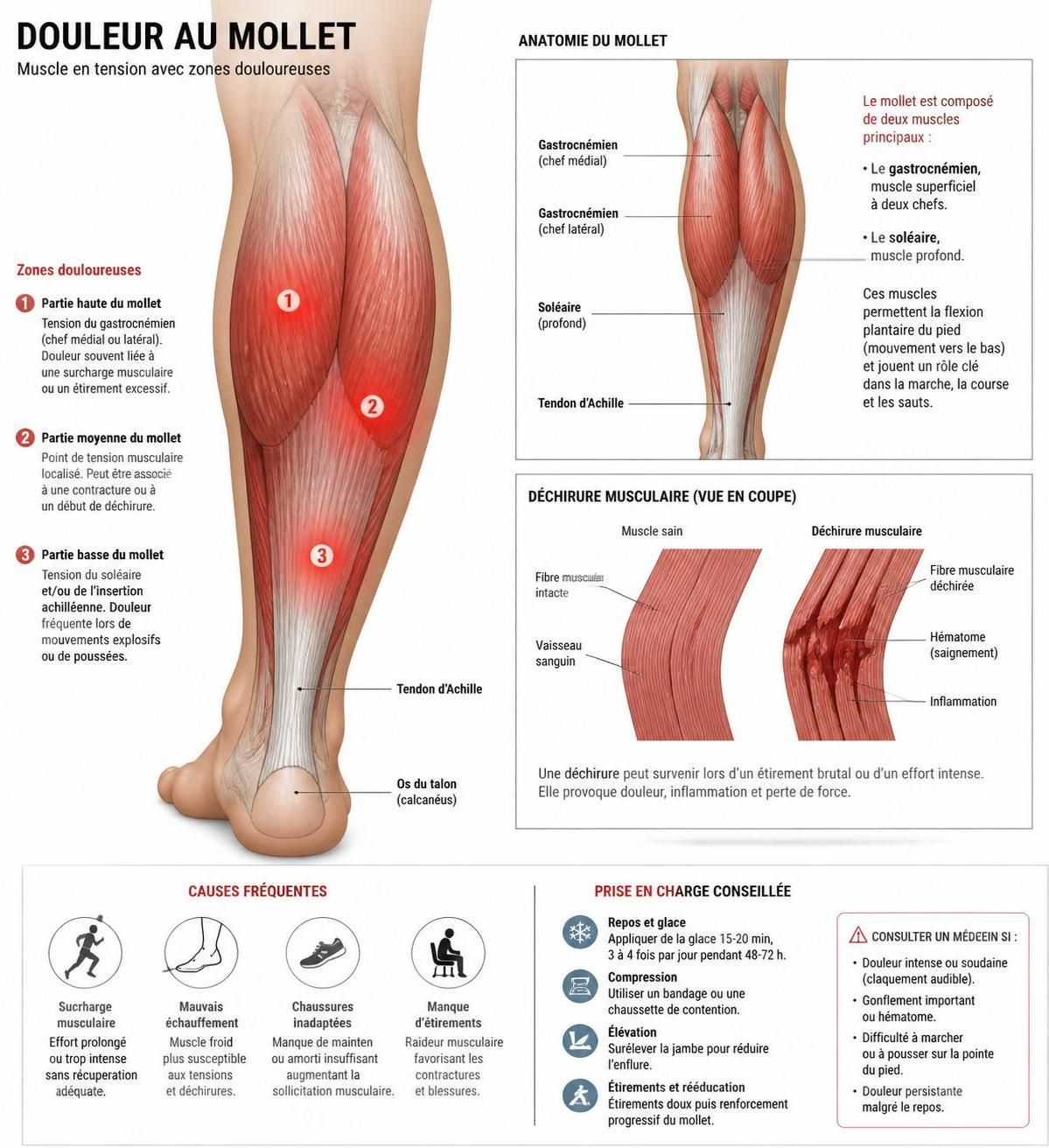
The calf, an essential component for mobility, supports constant effort that can cause various muscle injuries. Calf pain at rest often stems from muscle micro-traumas resulting from intense physical activities or prolonged postures. Muscle cramps, common at night, are sudden and involuntary contractions often triggered by dehydration or mineral imbalance such as magnesium or potassium. These spasms, although uncomfortable, can be eased by gentle stretches and better hydration.
More serious, muscle strains represent a partial rupture of fibers, causing sharp and often disabling pain. Rest, cold application, and physiotherapy are essential for gradual recovery. As for tendinitis, especially Achilles tendon tendinitis, it often arises from repeated strain. This inflammation causes persistent pain, which can worsen at rest. Prompt treatment, combined with eccentric exercises and anti-inflammatory drugs, prevents chronicity.
Identify and prevent nighttime calf cramps
Nighttime cramps frequently affect adults, especially those exposed to repeated exertion or insufficient hydration. They often appear during sleep, abruptly waking the person and causing sharp pain. Several factors should be considered :
- Chronic dehydration disrupting electrolyte balance.
- Magnesium and potassium deficiencies, minerals essential for muscle contraction.
- Poor sleeping position compressing the muscles.
To limit their recurrence, it is recommended to adopt a routine of gentle stretches before bed, maintain regular hydration, and balance one’s diet. Targeted advice for managing tendinous pain can also be valuable in this context.
Calf pain at rest: spotting vascular emergencies
When calf pain occurs without any obvious link to physical effort, especially at rest, it may signal a serious vascular pathology. Phlebitis or deep vein thrombosis is a common medical emergency. A blood clot blocks a deep vein, causing intense pain, swelling, redness, and a sensation of heat. This risk increases after prolonged immobilization, recent surgery, or the presence of coagulation disorders.
Rapid diagnosis via venous echo-Doppler is essential to prevent progression to pulmonary embolism, a potentially fatal complication. Pain associated with redness and unilateral swelling should prompt immediate consultation. Recognizing signs of phlebitis is a vital skill for everyone.
Ischemia and intermittent claudication: when blood struggles to flow
Venous ischemia linked to obliterative arteriopathy is another cause to consider, especially in people with cardiovascular risk factors. It manifests as calf pain that appears during walking and disappears at rest. This discomfort reflects insufficient blood supply to the muscles, potentially leading to severe limitations in physical capacity.
Management includes lifestyle changes, medication, and sometimes surgical intervention. Identifying this pain distinguishes a benign symptom from a chronic threat to mobility and quality of life.
Nervous disorders: sciatica and piriformis syndrome, sources of radiating pain
Beyond muscular and vascular causes, nervous disorders can also cause calf pain at rest. Sciatica results from compression of the sciatic nerve, often due to a herniated disc. The pain radiates from the lower back to the calf, sometimes accompanied by tingling or numbness.
Piriformis syndrome, where the piriformis muscle compresses the same nerve, can reproduce this type of pain radiating to the leg. Distinguishing between muscular and nervous pain is essential, as treatments differ.
Keys to differential diagnosis
A thorough medical examination, including palpation and specific tests, often allows differentiation between muscular pain and nerve-origin pain. Imaging and additional tests ensure better diagnostic accuracy for appropriate management.
Management and practical advice to relieve and prevent calf pain
Depending on the identified cause, several measures can effectively relieve calf pain at rest:
- Rest and physiotherapy for muscular and tendinous injuries.
- Daily hydration and appropriate mineral intake to prevent cramps and contractures.
- Anticoagulant treatment and medical monitoring urgently required in case of phlebitis.
- Progressive physical activity to improve blood circulation and strengthen muscles.
- Wearing appropriate shoes and posture management to limit calf strain.
Adopting a routine that includes targeted stretches, progressive warm-ups before exertion, and optimal hydration is a winning strategy against most calf-related pains, whether muscular or vascular. This approach also facilitates the prevention of recurrent painful episodes.
| Type of pain | Suspected cause | Distinctive sign | Recommended treatment |
|---|---|---|---|
| Pain during effort | Calf strain or tendinitis | Sharp pain on contraction, sometimes with bruising | Rest, ice, physiotherapy |
| Pain at rest | Phlebitis (emergency) | Warm, red swelling of the calf | Emergency consultation, anticoagulants |
| Pain when walking | Intermittent claudication (ischemia) | Pain disappears at rest | Vasodilator medication, possible surgery |
| Nocturnal contractions | Muscle cramps | Sudden and temporary pain | Stretching, hydration, magnesium |
Vigilance is required when calf pain persists, especially if accompanied by swelling or redness. A medical consultation helps to rule out phlebitis or another serious cause. For unexplained pain, consulting a healthcare professional is always recommended to obtain a reliable diagnosis and appropriate management.
What is the most frequent cause of calf pain at rest?
Muscle cramps, often related to dehydration or mineral imbalance, are the most frequent cause of calf pain at rest.
When should you seek emergency care for calf pain?
In case of intense pain accompanied by swelling, redness, and a feeling of heat, or if the pain is accompanied by breathing difficulties, you should seek immediate care.
How to differentiate muscular pain from nerve-origin pain?
Nerve pain is often accompanied by tingling, numbness, and follows a precise path, whereas muscular pain is localized and linked to effort.
What actions quickly relieve a calf cramp?
You should gently stretch the muscle, massage the affected area, and walk on your heels. Drinking water regularly helps prevent their recurrence.
Can calf pain indicate phlebitis?
Yes, especially if it is accompanied by swelling, redness, and a feeling of heat. Phlebitis is a medical emergency requiring rapid management.


