
The lazy intestine manifests as a slowing down of intestinal transit, causing discomfort and frequent digestive disorders. This phenomenon, affecting nearly half of the French population, influences daily well-being. Fortunately, natural solutions exist to effectively restart transit, combining hydration, a diet rich in dietary fibers, physical exercise, abdominal massages, and the judicious use of laxative plants and probiotics. These gentle approaches promote smooth digestion and lasting comfort.
The article in brief
Discover how to naturally stimulate slowed intestinal transit through simple and effective methods, preserving comfort and digestive health.
- Hydration and targeted diet: Focus on 1.5 to 2L of water and a variety of dietary fibers
- Regular physical activity: Moving naturally stimulates intestinal contractions
- Gentle abdominal massages: Simple techniques to relieve bloating and restart transit
- Effective plants and probiotics: Senna, psyllium, and specific strains support digestion
Adopting these natural solutions helps restore intestinal well-being without systematically resorting to laxatives.
Lazy intestine: understanding its mechanisms to better stimulate it naturally
The intestine, often called the “second brain,” is a complex organ equipped with an autonomous nervous system containing more than 100 million neurons. This neuronal richness promotes intense communication with the central brain, thus conditioning the proper functioning of intestinal transit. When peristaltic movements slow down, transit becomes lazy, causing less smooth stool passage and accumulation that can lead to heaviness or abdominal pain. The phenomenon is notably aggravated by poor lifestyle habits, a diet low in fiber, and insufficient hydration.
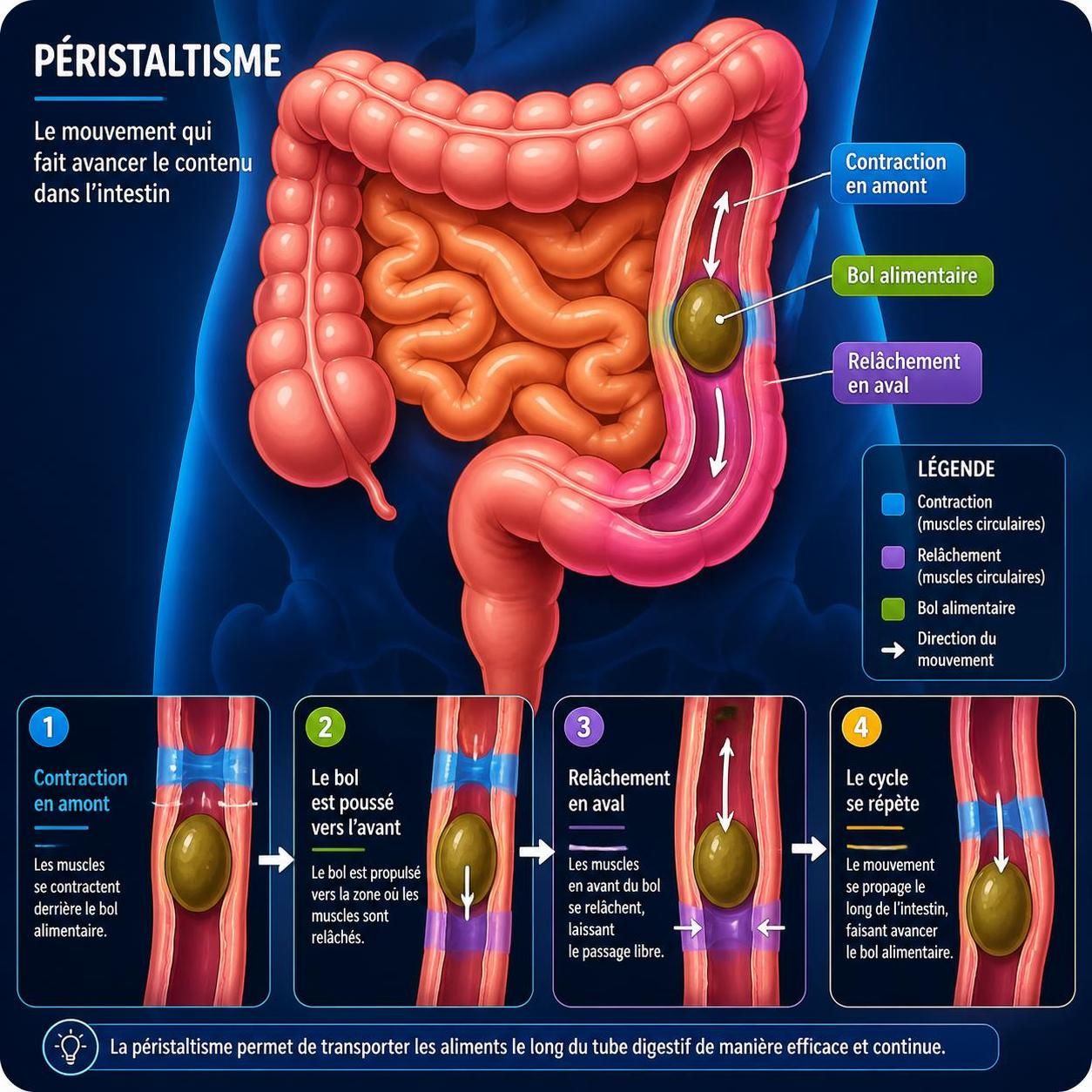
The visible consequences of slowed intestinal transit
Intestinal laziness can manifest through several annoying symptoms that affect quality of life. Among them are bloating intensified by prolonged fermentation of food residues, a sensation of heaviness linked to stool accumulation along the digestive tract, as well as functional constipation with infrequent and difficult-to-evacuate stools. These disorders are often accompanied by abdominal pain and increased irritability, illustrating the link between intestinal dysfunction and mental well-being.
The 5 essential natural solutions to restart a lazy intestine
1. Optimal hydration throughout the day
Drinking between 1.5 and 2 liters of water daily is essential to soften stools and facilitate their progression through the colon. Water also hydrates intestinal cells, improving their functions. Intake can be supplemented with water-rich fruits and vegetables such as cucumber or tomato, as well as herbal infusions like peppermint, fennel, or aloe vera, recognized for their beneficial effects on digestion. This approach is supported by studies demonstrating the central role of hydration in stimulating transit.
2. Balanced diet rich in dietary fibers
Dietary fibers, both soluble and insoluble, are valuable allies. They increase stool volume and promote the intestinal contractions necessary for waste movement. Regular consumption of fruits, vegetables, whole grains, and legumes helps maintain optimal digestive health. Limiting refined sugars and saturated fats also helps preserve intestinal microbiota balance, a key element of regular transit. For example, incorporating blond psyllium provides soluble fibers that form a lubricating gel, facilitating stool progression.
3. Regular physical activity adapted to intestinal well-being
Gentle daily sports practice, such as walking or swimming, stimulates peristaltic movements without overburdening the body. This exercise promotes activation of abdominal muscles and improves intestinal circulation. Specific yoga postures, like the deep squat or the so-called wind-relieving pose, are also recommended to relieve bloating and facilitate gas evacuation.
4. Abdominal massage to stimulate intestinal contractions
Easy to perform, abdominal massage consists of gentle circular movements with the hands above the navel for about five minutes. This relaxing technique activates intestinal motility and relieves sensations of bloating or heaviness. It can be integrated into a daily routine to maintain effective and comfortable transit.
5. Targeted use of laxative plants and probiotics
Senna is traditionally used as a natural laxative thanks to its sennosides that stimulate colon contractions. Its potency requires occasional use under supervision to avoid dependence. Other plants such as fennel with its antispasmodic and carminative properties, or aloe vera for its soothing action, complement this natural range. Probiotics, particularly strains of Lactobacillus and Bifidobacterium, play a key role in maintaining a balanced microbiota, thus promoting regular transit. These natural supplements, well chosen and adapted, provide valuable support in cases of moderate digestive disorders.
Differentiating lazy intestine and constipation: key elements
Lazy intestine refers to a functional slowing of transit, less severe than constipation. The latter, recognized as a pathology, is characterized by fewer than three stools per week, often hard and difficult to evacuate. Intestinal laziness can precede constipation or appear in isolation without necessarily leading to severe obstruction. Understanding this nuance is essential for adapting the therapeutic approach, prioritizing natural solutions before any medical intervention.
Identifying common causes of a lazy intestine
This disorder is mainly linked to lifestyle factors: insufficient hydration reduces the pressures necessary for intestinal contractions, a low-fiber diet weakens the transit mechanics, and sedentary behavior delays intestinal motility. Hormonal disturbances, such as hypothyroidism or type II diabetes, and certain medications can also slow transit. Finally, an imbalance of the intestinal microbiota plays a major role in this digestive laziness.
Precise list of common causes of lazy intestine:
- Lack of sufficient hydration.
- Low-fiber diets rich in refined sugars.
- Prolonged sedentary lifestyle and lack of regular movement.
- Hormonal imbalance or use of certain medications.
- Alteration or depletion of intestinal microbiota.
Comparative table: lazy intestine vs constipation
| Criteria | Lazy intestine | Constipation |
|---|---|---|
| Stool frequency | Slowed transit, spaced but variable evacuations | Less than 3 stools per week, frequent difficulties |
| Stool consistency | Sometimes hard stools but not systematic | Hard and dry stools, difficult to expel |
| Associated sensations | Heaviness, bloating, abdominal discomfort | Pain during evacuation, sensation of incomplete evacuation |
| Need for treatment | Natural measures often sufficient | Often requires medical management |
How to recognize a lazy intestine?
Typical signs include slowed transit, bloating, abdominal heaviness, and sometimes mild constipation.
Which fibers to prioritize for good transit?
It is necessary to combine soluble fibers (psyllium, fruits) and insoluble (vegetables, whole grains) to effectively stimulate digestion.
Are abdominal massages effective?
Yes, gentle circular massages above the navel activate intestinal motility and relieve discomfort.
Can laxative plants be used daily?
No, plants like senna should be used occasionally to avoid any risk of dependence or irritation.
When to consult a doctor?
If symptoms persist beyond a few weeks, are accompanied by intense pain or worrying signs, a consultation is recommended.


