
When morale drops and fatigue accumulates, each day can feel like a heavy burden to bear. This malaise, often born from chronic stress, a settling depression, or mental exhaustion, quickly erodes motivation and joy of living. Fortunately, proven solutions exist to reconnect with one’s inner energy. Gentle physical activity, mindfulness exercises, daily gratitude: so many small actions that, practiced regularly, help restore a solid emotional balance and lasting well-being. Rediscovering resilience happens through consistency, self-listening, and kindness towards emotions. It is this path, accessible to all, that makes it possible to rekindle the light when everything seems heavy.
The article in brief
Discover how simple habits can gradually restore morale and energy to better manage fatigue and stress daily.
- The keys to lasting well-being: Using physical activity and mindfulness to improve mood
- Changing your thoughts: Recognizing and reframing negative mental patterns gradually
- Small daily actions: Cultivating gratitude to nurture motivation and positivity
- When to turn to a professional: Identifying signs that require appropriate support
Rekindling one’s inner energy requires patience, support, and gentle methods to regain pleasure and serenity.
Understanding why morale crumbles and how stress affects it
The phenomenon of intense fatigue and low morale affects a multitude of individuals, often without the immediate ability to measure the cause. Chronic stress acts as an invisible saboteur: it draws from mental and physical energy reserves, creating the overwhelming feeling of being submerged. Over weeks, professional and personal pressures, personal crises, or even bereavements can turn this fatigue into a dull depression, clouding the perception of pleasure. This gradual deterioration leads to a vicious circle where motivation erodes, making joy of living disappear little by little.
Today’s society, with its frantic pace, hardly encourages recovery. The lack of time for oneself, constant exposure to digital stimuli, and difficulty setting boundaries contribute to this emotional wear. However, understanding these mechanisms allows for a first act of resistance by identifying warning signs and levers to act before the situation worsens further.
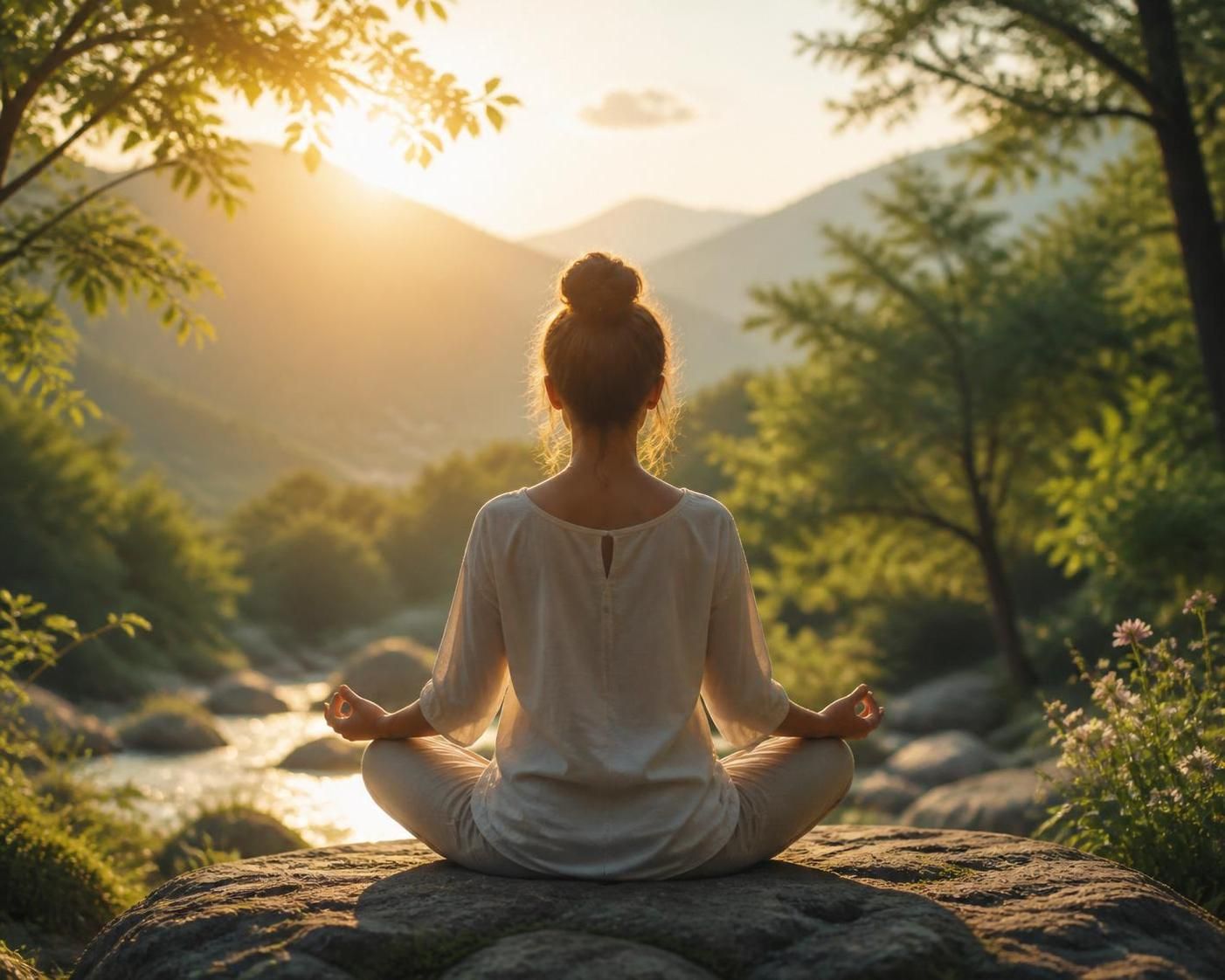
Caring for your body to boost morale and energy
The close connection between body and mind is now well established. When energy seems absent, starting a physical activity, even moderate, proves to be a natural and powerful remedy to stimulate the production of well-being hormones, such as endorphins and dopamine. A daily walk in a green environment, some gentle stretches, a yoga session at home, or free dancing to a favorite music are enough to restart this virtuous circle.
These activities do not need to be long or intense; starting with ten minutes a day is a concrete and accessible way to get the body moving and, by extension, to soothe accumulated emotional tensions. They also promote better stress regulation and strengthened resilience against life’s ups and downs.
The power of gratitude in managing emotions
Practicing gratitude daily is a simple habit that significantly changes the perception of experience. By noting three positive events each evening, even small ones, one reorients the brain toward constructive thoughts. This ritual, scientifically recognized, helps reduce stress and increase the feeling of lasting well-being.
At first, it may seem difficult to spot these bright moments, especially when morale is low. However, perseverance over several days gradually transforms this way of thinking, revealing the little happiness hidden in the ordinary. Regular adoption of this approach also improves motivation by creating fertile ground to positively welcome challenges.
Concrete tools to transform negative thoughts into positive energy
Mental negativity often settles without our knowledge. Phrases like “I will never succeed” or “I don’t deserve to be happy” end up taking root, weakening self-esteem. To reverse this trend, it is essential to actively spot these toxic thoughts and learn to rephrase them into encouraging messages. This kind of kind inner dialogue acts as a solid base to rebuild morale.
An effective exercise is to write down these negative thoughts for a week, without judgment, to better understand them. Then, you replace these limiting beliefs with more suitable affirmations, oriented toward personal competence and efficacy. Phrases such as “I move at my own pace” or “Every small victory counts” favor a more positive and motivating mindset.
Managing the present moment through mindfulness
Mindfulness meditation is very useful to untangle mental tensions. A few minutes of attention focused on breathing, each day, help calm inner restlessness and detach from negative thoughts. This practice invites observing one’s emotions without judgment, offering a space to breathe despite external pressure.
If formal meditation is not easy, other alternatives exist, such as listening to soothing music, immersing oneself in nature, or simply closing the eyes for a few moments while focusing on bodily sensations. Building these breaks into the day promotes relaxation of the nervous system and renews mental energy.
List of small daily actions to regain energy and motivation
- Take 10 minutes of walking in nature every day
- Keep a gratitude journal by noting 3 positive things each evening
- Practice coherent breathing 3 times a day, 5 minutes each time
- Limit time spent on social networks to reduce digital stress
- Create an uplifting music playlist to listen to during moments of doubt
- Use the “5-4-3-2-1” method to refocus your thoughts when anxiety rises
- Express your gratitude aloud to strengthen its beneficial effect
- Spend time with caring loved ones, a source of support and positivity
Table: The benefits of simple habits on morale and energy
| Habit | Effect on morale | Energy benefit |
|---|---|---|
| Daily walking | Stress reduction, improved mood | Endorphin increase, more vitality |
| Gratitude journal | Enhanced positivity, less rumination | Strengthened motivation, less emotional fatigue |
| Mindfulness meditation | Better emotion management, mental calm | Physical relaxation, nervous system regulation |
| Digital break | Less anxiety related to information | Mental energy preserved |
Recognizing when it is necessary to seek professional support
Sometimes, despite efforts to anchor oneself in a positive routine, depression or deep fatigue does not yield. It is then important to accept the necessity of specialized support. Signs such as persistent depression, suicidal thoughts, inability to manage daily tasks, or complete social isolation are strong indicators. In this context, consulting a psychologist, psychiatrist, or online therapy can provide structured and secure support.
Specialized centers like Clinic Les Alpes offer holistic care combining a calming environment and personalized programs, adapted to managing depressive disorders. Finding a conducive environment for recovery and benefiting from professional support are crucial steps toward rebuilding durable energy.
Supporting well-being through complementary natural resources
Beyond mental practices, some natural remedies like essential oils or a balanced diet are valuable allies. For instance, favoring foods rich in zinc and magnesium can support vitality and strengthen resistance to stress. A global approach combining daily actions, emotional support, and natural resources optimizes the chances of regaining stable morale and renewed energy.
How to regain energy when feeling constantly tired?
It is essential to gradually reintroduce small habits such as daily walking and conscious breathing practice to naturally stimulate your energy. Support these efforts with a diet rich in essential nutrients for lasting effect.
What are the first signs indicating the need to consult a professional?
A prolonged drop in morale, suicidal thoughts, inability to accomplish daily tasks, or significant isolation are signs that require appropriate professional support.
How to integrate gratitude into daily life without feeling forced?
Simply start by noting three small positive things each evening, even minor ones. Regularity and kindness towards oneself are important. The exercise becomes more natural and beneficial over time.
Can mindfulness help manage stress?
Yes, mindfulness allows better observation of thoughts and emotions without judgment, which reduces stress and improves mental resilience.
How to limit the negative impact of social networks on morale?
Reduce exposure time, especially by avoiding doomscrolling. Set strict time slots and favor positive or inspiring content to preserve your emotional well-being.


