Getting round buttocks with a natural and lasting shape relies on targeted training that deeply engages all the gluteal muscles. At the heart of this process, precise exercises like squats, lunges, and hip thrusts ensure effective toning while preserving muscle durability. This approach is part of a balanced routine, where movement quality and progression help avoid injuries and establish a harmonious silhouette, both aesthetic and functional.
The article in brief
Discover how targeted and well-structured training naturally sculpts firm and durable glutes through methods adapted to the body.
- Essential fundamental exercises: Squats, lunges, and hip thrusts for focused toning
- Overall muscle strengthening: Working all the gluteal muscles for a harmonious shape
- Progression and consistency: Frequency adapted to preserve muscle health
- Practical tips and tricks: Integration of simple and body-friendly routines
Adopting these exercises over time promotes a natural, visible, and lasting shape.
Essential glute exercises for a natural and lasting shape
The secret of a sculpted profile is not improvised. For round buttocks radiant with health, it is crucial to engage the three main muscles: gluteus maximus, medius, and minimus. Among the key exercises, squats embody a complete movement that engages these muscles while strengthening the legs. Lunges, on the other hand, allow for essential unilateral work to correct imbalances and aid coordination. The hip thrust, often called the king of glute exercises, promotes maximum contraction of the gluteus maximus, indispensable for refining the silhouette while improving lumbar posture. These movements, practiced with rigor and progression, are not limited to aesthetics but also help prevent pain and stiffness, particularly in the pelvis and back areas.
The winning trio: squats, lunges, and hip thrust
The glute exercises are numerous, but three stand out particularly for their effectiveness and ease of execution. The squat, in classic or sumo position, primarily activates the gluteus maximus, as well as the quadriceps and hamstrings, offering comprehensive work. Lunges, supported on one leg, are ideal for unilateral strengthening, thus avoiding the common asymmetries seen in athletes and sedentary people. Finally, the hip thrust specifically targets the gluteus maximus with a range of motion that maximizes muscle activation. It is also known to stimulate pelvic stability, thus reducing tension in the lower back—an important benefit regularly highlighted by functional rehabilitation. To deepen these techniques, some specialized tutorials can be consulted to ensure optimal movement, particularly in squat position or when strengthening the hamstrings.
Balanced strengthening for firm and harmonious glutes
For a natural shape that is both aesthetic and functional, it is essential not to isolate work on a single muscle. Each gluteal muscle contributes to stability and mobility. The gluteus maximus gives volume, while the gluteus medius stabilizes the pelvis when walking, and the gluteus minimus controls lateral movements. Neglecting the latter risks creating imbalances that often give rise to knee or hip pain, common issues dissected in this expert article on the causes and solutions for knee pain . Varying exercises, including banded abductions or donkey kicks, thus contributes to harmonious strengthening and prevents painful compensations.
Frequency, progression, and integration into your fitness routine
Building a natural shape that lasts requires a methodical approach, similar to a medical protocol followed step by step. A training frequency of 2 to 3 sessions per week encourages muscle adaptation without overtraining. Each session should rely on gradual progression, starting with bodyweight exercises before introducing moderate loads, especially for the hip thrust. This last one, practiced with an appropriate load, optimizes toning without risk of lumbar pain, provided the technique is mastered. Recovery is a pillar that should not be underestimated: specific stretches, foam rolling, and adequate rest strengthen muscle durability and prevent injuries. Thus, integrating these routines into an active daily life contributes to targeted work that respects the body’s needs and preserves long-term health.
Simple and effective program to start today
| Exercise | Sets | Repetitions | Goal |
|---|---|---|---|
| Squats | 3 | 12-15 | Global strengthening of glutes and legs |
| Forward lunges | 3 | 10-12 per leg | Unilateral strengthening and correction of imbalances |
| Hip thrust | 4 | 10-12 | Targeted activation of the gluteus maximus and posture improvement |
Practical tip: incorporate glute exercises into daily life
Beyond dedicated sessions, toning the glutes also relies on simple daily gestures. Climbing stairs, balancing on one leg during household tasks, or even proper sitting posture can prove to be valuable allies. It is also advisable to adopt a balanced diet, rich in proteins and appropriate carbohydrates, to nourish muscle fibers and optimize recovery. Fitness enthusiasts can also enrich their programs with complementary exercises for the lower back and back, essential for posture, inspired by the advice offered in this article on physiotherapy methods to relieve hip pain.
Correct execution of the hip thrust, squat, and lunges is essential to maximize benefits. This video details the postures to adopt to avoid the most common mistakes.
List of best practices for successful targeted training
- Prioritize quality of execution over quantity to avoid injuries.
- Respect progression in load and volume to promote optimal adaptation.
- Vary exercises to engage all glute muscles in a balanced way.
- Do not neglect recovery, including stretching and rest.
- Combine training and nutrition to support muscle gain.
This second video offers a complete session mixing muscle strengthening and tips for a lasting natural shape.
How long does it take to see a natural shape of the buttocks?
The first signs of toning generally appear within a few weeks, but a visible and lasting result requires about 8 to 12 weeks of regular training.
Can you train your glutes effectively at home?
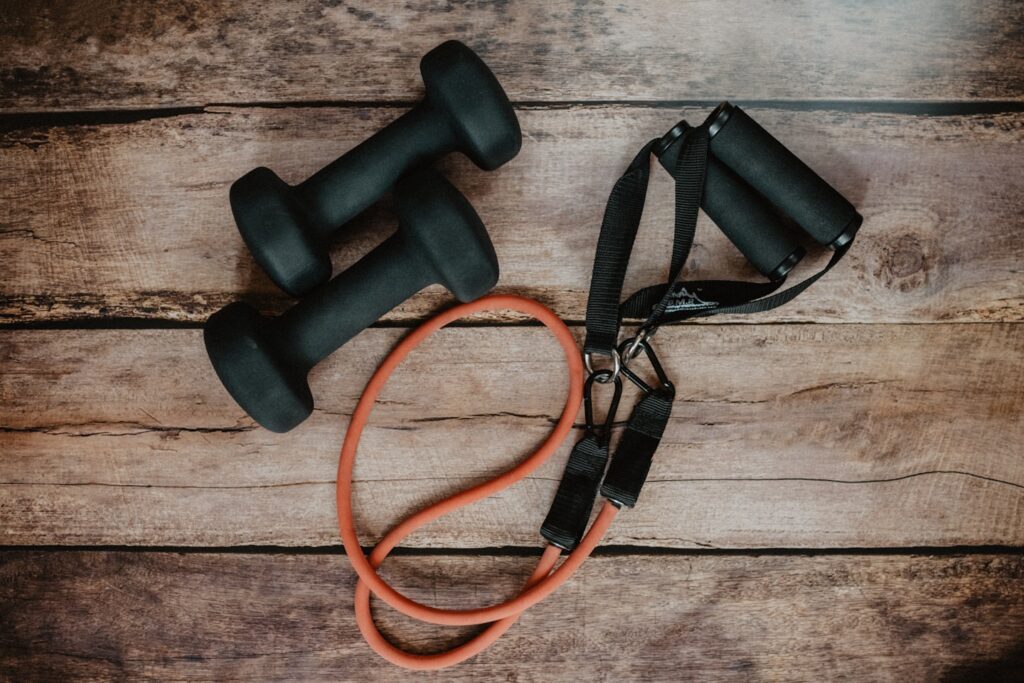
Yes, with simple equipment like resistance bands or free weights, targeted glute exercises can be done at home with satisfactory results.
What is the ideal training frequency for shaping the buttocks?
Two to three sessions per week provide a good balance between muscle stimulation and recovery, essential for lasting results.
Can hip thrust cause lower back pain?
When the technique is correctly mastered, the hip thrust helps strengthen the lumbar region and improves posture, thus avoiding pain.
Why is it important to vary glute exercises?
Variety engages all the muscles of the gluteal group, prevents muscular imbalances, and maintains motivation in the long term.


