
After stopping the pill, the body does not simply switch back to “natural mode” with a simple gesture. It often takes a few weeks to regain its rhythm, and this transition may be accompanied by hormonal disturbances, irregular periods, more unpredictable skin, or even mood changes. Nothing surprising: the pill often acted like a discreet conductor, and when it stops, each instrument must find its place again. The most useful thing is therefore to know which signals are common, which deserve particular attention, and when it becomes appropriate to consult a professional.
The article in brief
Stopping the pill can cause temporary changes, sometimes very mild, sometimes more pronounced depending on individual profiles. It’s better to recognize the usual signs and distinguish what is simply a rebalancing from what requires medical advice.
- Cycle return: periods may reappear within a few weeks
- Common signals: acne, headaches, menstrual pain, mood swings
- Possible variations: weight gain, hot flashes, fatigue, or drier skin
- When to consult: absence of periods, severe pain, or new symptoms
Understanding these reactions helps to live through stopping the pill with more serenity and reference points.
For some women, the change happens almost smoothly; for others, it feels more like a little reset. This difference is explained by the type of contraception used, but also by each individual’s sensitivity. A fictional friend, Léa, thought she would regain her cycle “like before” within a few days; in reality, her body took several weeks to restart its own hormones. This delay is common, and it deserves to be normalized rather than immediately worried about.
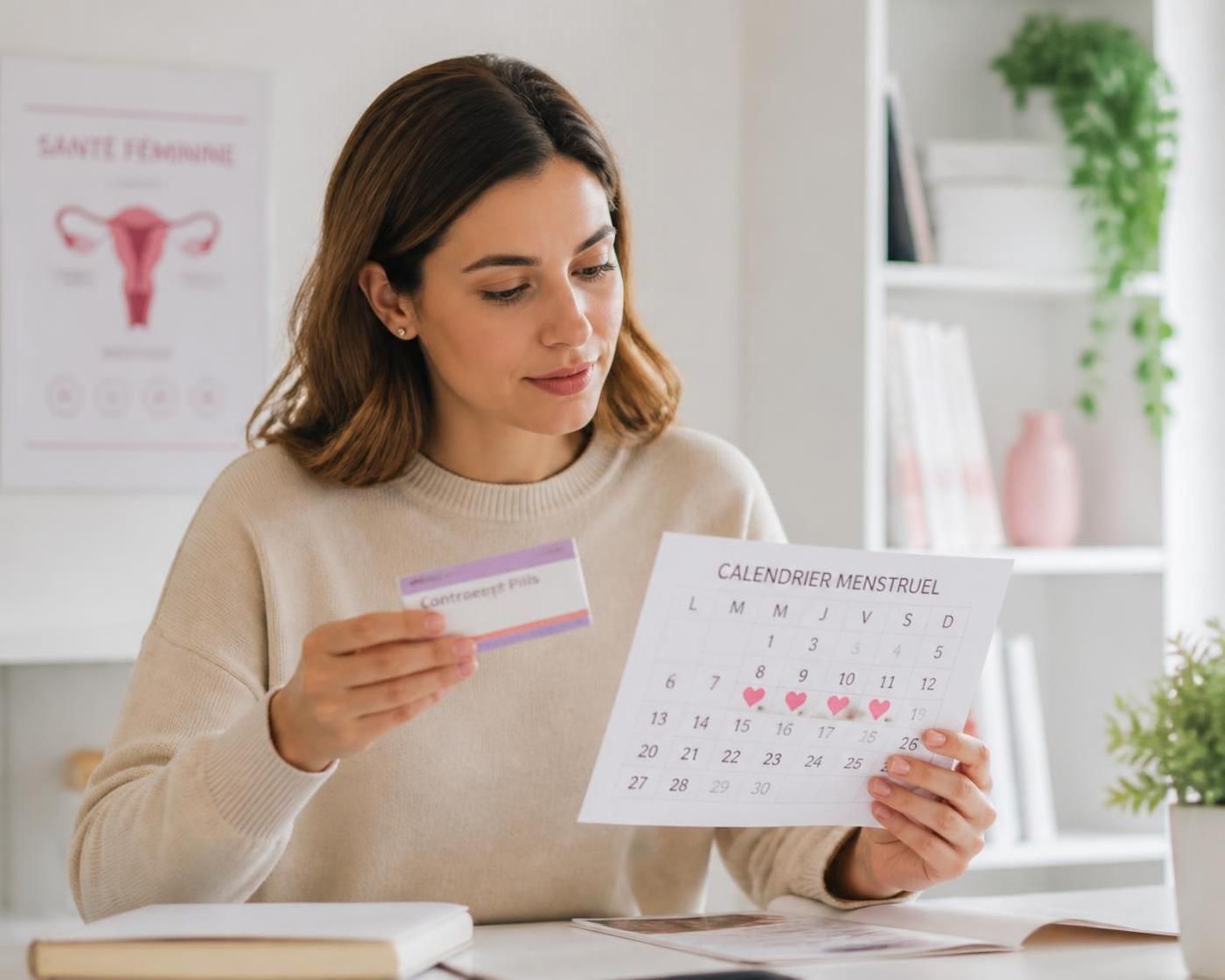
After stopping the pill, what the body can really change
The first visible effect often concerns the return of the cycle. Depending on the case, periods occur a few days after the end of the pack, or later if stopping occurs mid-cycle. This resumption is not always perfectly regular at first, as the body must restart its own production of estrogen and progesterone, somewhat like if the internal clock were restarting after a long pause.
This phase can also be accompanied by unexpected bleeding, somewhat irregular cycles, or ovulation that returns quickly… or more slowly. When pregnancy is not the goal, alternative contraception should be planned without waiting for the cycle to stabilize.
| Observed change | What it may indicate | What is useful to monitor |
|---|---|---|
| Periods returning | Gradual restart of the natural cycle | Timing, intensity, regularity |
| Bleeding between periods | Transient imbalance or other cause | Frequency and abundance |
| Early ovulation | Quick return of fertility | Protection if pregnancy is undesired |
One point deserves particular attention: cycles that do not return at all for several months. In this case, medical advice can help verify that no other cause is hidden behind this absence of periods, especially an underlying hormonal disorder. The body often speaks subtly, but it also knows how to alert when something blocks the resumption.
Most frequently reported symptoms after stopping the pill
Once contraception is stopped, some symptoms may reappear because they were simply masked. This is the case with premenstrual syndrome, with its menstrual pain, sensitive breasts, bloating, water retention, or back pain. For many women, these sensations feel like an old familiar signal brought back to the forefront.
The skin can also change. Hormonal acne, temporary hair loss, or increased body hair may resurface, especially if the pill was prescribed to stabilize these symptoms. Some women also notice headaches, sensation of oilier skin or conversely drier skin. This is not a regression, but a reflection of a new balance being built.
- Acne and more unstable skin: possible return of a sensitive hormonal environment
- Menstrual pain: cramps, tight belly, lower back pain, or heavier periods
- Mood changes: irritability, emotional fatigue, anxiety, or disturbed sleep
- Weight gain: sometimes slight variation, often multifactorial
Weight gain is not systematic, and it is not always explained by hormones alone. It can also be related to water retention, appetite changes, poorer sleep, or a period of stress. Again, the context matters as much as the symptom itself.
Hormonal and emotional changes not to underestimate
The return of natural hormone secretion can upset the overall balance. Some women feel lighter, with a boost of energy, while others go through a few weeks of instability. Mood changes are often among the first signals to appear: irritability, low mood, mild anxiety, or conversely a feeling of well-being. This contrast can surprise, but it is part of the same adaptation mechanism.
Hot flashes can also be felt by some people, although they are less mentioned than other effects. They then reflect a more fluctuating hormonal passage, sometimes temporary. As for sleep disorders, they often go hand in hand with this readjustment period, as if the body is still seeking its pace.
A detail often observed concerns libido. For some women, it increases after stopping, especially because the combined pill can modify the hormonal environment and reduce certain physiological peaks related to desire. This return is neither automatic nor uniform, but it clearly illustrates how contraception influences more than just the periods.
To better follow this phase, the article on hormonal balance after stopping can help visualize the adjustment steps and spot useful signals. Like a logbook, noting symptoms helps distinguish a simple transitional phase from a more lasting imbalance.
When side effects should prompt consultation
Some signals deserve medical attention promptly. An absence of periods lasting more than three months, unusual bleeding, very painful periods, or clearly disabling symptoms justify an evaluation. The same applies if marked depression, fainting, unusual fatigue, or a strong worsening of acne appear.
The healthcare professional may then propose an appropriate assessment, often a few months after stopping, to verify hormonal function and exclude causes such as endometriosis or polycystic ovary syndrome. The latter concerns a significant proportion of women of reproductive age and may reveal itself or reappear when the pill no longer masks symptoms. It is therefore better to listen to the signals the body sends rather than wait for them to settle.
In practice, simple monitoring already helps a lot: observe the dates of periods, note cycle lengths, spot pains, and keep in mind what seemed new before stopping. This small routine has real value, almost like a personal compass. It makes the transition more understandable and the consultation, if necessary, more effective.
To better identify what is a normal cycle return and what deserves particular attention, the additional reading on hormonal rebalancing offers simple and concrete reference points.
What to remember to live through stopping the pill with more serenity
Stopping the pill does not cause the same reactions in everyone. Some women go through this step almost without noticing, others see the return of irregular periods, headaches, skin issues, or more distinct menstrual pain. The essential thing is to know that these variations exist, that they are often temporary, and that they can be monitored methodically.
When in doubt, the right reflex is to seek medical advice rather than wait silently. The body likes to regain its bearings, but it appreciates even more to be listened to regularly. It is often here that the experience becomes more peaceful and more predictable.
How long can side effects last after stopping the pill?
They are often more visible during the first weeks, then gradually lessen. For some women, adaptation can take several months depending on the type of pill and hormonal background.
Do periods come back immediately after stopping?
Not always. They can return within a few days to a few weeks, but the cycle may remain irregular at first.
Can stopping the pill cause acne?
Yes, especially if the pill was masking a tendency to hormonal acne. The skin may become oilier, sometimes with a temporary outbreak.
Should you consult if periods do not return?
Yes, especially if the absence of periods exceeds about three months. A professional can propose a hormonal assessment and look for another cause.
Can you get pregnant quickly after stopping?
Yes, ovulation can resume quickly in some women. If pregnancy is not desired, another contraceptive method should be used immediately.


