
Scalp pimples are a common problem that can affect the comfort and appearance of many people. They often result from various causes ranging from simple inflammation to more complex infections, including specific skin conditions. Often misunderstood, these small pimples can cause itching, pain, or even hair loss. Understanding the underlying causes, recognizing precise symptoms, and adopting appropriate solutions is essential to soothe the scalp and prevent recurrences.
🕒 Article summary
Discover how to identify, understand, and effectively treat scalp pimples for restored daily comfort.
- ✅ Main causes decoded: Inflammation, infection, and external factors clearly explained
- ✅ Symptoms to watch for: Itching, redness, pain, and other revealing signs
- ✅ Suitable treatments: Medical and natural solutions for quick relief
- ✅ Long-term prevention: Practical advice to avoid pimples from reappearing
📌 Better understanding always leads to a healthy and soothed scalp.
Understanding the causes of scalp pimples: a fragile ecosystem
The scalp is a particularly complex area of the body. A true crossroads between skin, hair follicles, and sebaceous glands, it is exposed to many aggressions that can cause pimples. Indeed, excess sebum, the proliferation of bacteria or yeasts such as Malassezia, a fungus often responsible for seborrheic dermatitis, contribute to the appearance of these imperfections. These conditions promote the obstruction of hair follicles, leading to inflammation and the formation of small red pimples or pustules.
Among common dermatological causes, folliculitis is a frequent infection of the hair follicle causing small pustules accompanied by scalp itching. External factors, such as prolonged wearing of helmets or hats, excessive sweating, or the use of harsh hair products that disrupt the scalp microbiome, play an aggravating role. This imbalance can promote the appearance of scalp acne or other inflammatory pimples.
Hormonal fluctuations, especially during puberty, the menstrual cycle, or in cases of endocrine disorders such as polycystic ovary syndrome (PCOS), directly influence sebum production. Chronic stress, meanwhile, significantly worsens scalp inflammation through the release of cortisol, thus stimulating the multiplication of pimples.
Finally, in 2026, research is also opening up on the impact of air pollution on hair health. Fine particles infiltrating the pores of the scalp could trigger inflammatory reactions, increasing the risk of scalp infection. This data invites us to rethink scalp care by integrating environmental protection into daily life.
The diversity of causes requires always considering all factors to make an accurate diagnosis. For example, an isolated pimple may be harmless, whereas a persistent inflammatory flare-up can indicate a chronic dermatosis that needs to be treated quickly.
Scalp symptoms: identifying essential warning signs
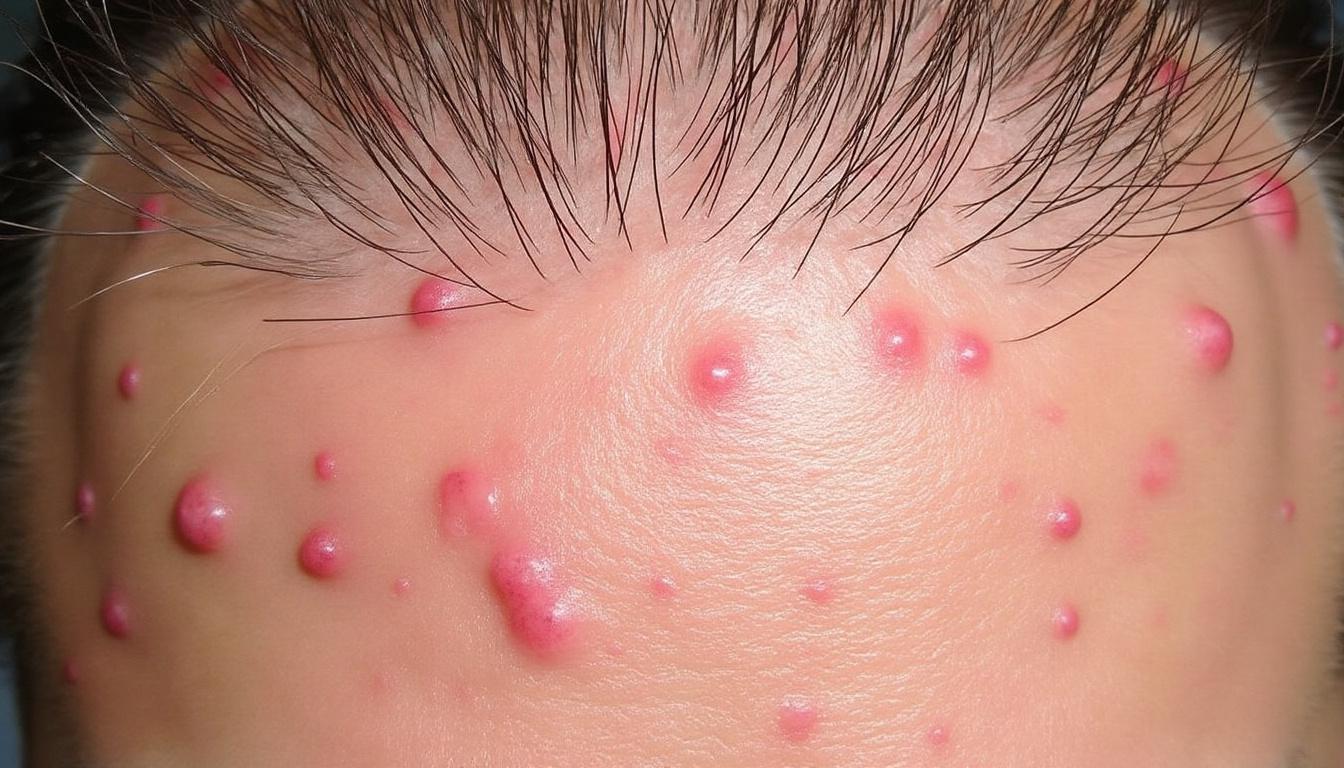
Accurate identification of symptoms is fundamental when observing scalp pimples. The most frequent manifestations include itching, often the first sign of beginning inflammation, followed by the appearance of small redness and scales. These scales can vary depending on the pathology: they are greasy and yellow in seborrheic dermatitis, while thicker and silvery in scalp psoriasis.
A burning sensation, tingling, or local pain may accompany lesions, indicating more severe inflammation. More worrisome still, a hot, painful pimple sometimes containing pus may reveal an acute bacterial infection such as a boil, requiring prompt treatment.
The table below summarizes the main clinical signs encountered and their meaning:
| Symptoms 🔍 | Description 📋 | Possible causes ⚠️ | Recommended action ✔️ |
|---|---|---|---|
| Scalp itching | Localized or diffuse pruritus, more or less intense | Inflammation, seborrheic dermatitis, allergy | Hydration, suitable shampoos, consultation if persistent |
| Red pimples or pustules | Small pimples, sometimes filled with pus | Folliculitis, scalp acne, bacterial infection | Dermatologist consultation, local antiseptics |
| Greasy scales or dandruff | Sticky yellow desquamation | Seborrheic dermatitis, Malassezia proliferation | Antifungals, specific treatment |
| Local pain and heat | Burning sensation, hard and sensitive nodule | Boil, inflammatory cyst | Urgent medical care if intense pain |
Prolonged scalp inflammation can also cause localized hair loss. It is imperative to consult if red or crusty patches persist for more than two weeks despite initial treatment. Early diagnosis facilitates appropriate care.
Scalp pimples solutions: medical treatments and practical advice
The first step when facing scalp pimples is always to adopt an appropriate care protocol, adapted to the precise diagnosis. Medicinal shampoos remain the basic treatment, often combined with topical antifungals such as ketoconazole or piroctone olamine. These molecules act directly on the responsible yeasts and limit bacterial proliferation. For example, an antifungal shampoo used 2 to 3 times per week over a 4-week period noticeably soothes the symptoms.
In cases of folliculitis, the use of antiseptic lotions such as clindamycin may be prescribed locally to reduce infection and inflammation. If a more severe infection is observed, oral antibiotic treatment then becomes necessary under medical supervision. For persistent inflammatory forms, topical corticosteroids in lotion or foam form are sometimes indicated with caution to limit side effects.
Moreover, some dermatological interventions, such as draining a boil or corticosteroid injections, can greatly relieve acute situations. LED light therapy, whose anti-inflammatory effectiveness is recognized, is gradually becoming common and integrated into follow-up in 2026 for difficult chronic cases.
As a complementary approach, natural remedies have their place as support. For example:
- 🌿 Tea tree essential oil, diluted, highly appreciated for its antibacterial properties
- 🍃 Aloe vera gel, for its soothing and healing effect
- 🍎 Rinses with diluted apple cider vinegar, acting as a mild antiseptic
However, be careful not to substitute these methods for medical treatment in cases of confirmed infection. Caution is especially required with natural products, which can sometimes cause allergic reactions.
For daily scalp care, it is recommended to adopt the following good practices:
- 🚿 Use a gentle suitable shampoo and avoid excessive washing
- ⚡️ Avoid very hot water which can irritate and exacerbate inflammation
- 🧴 Rinse thoroughly to remove all product residues
- 🎩 Reduce prolonged wearing of helmets or tight hats favoring maceration
- 🧘♂️ Manage stress with relaxation techniques to limit inflammatory flare-ups
Finally, it is wise to adapt your hair care routine, especially by favoring products containing niacinamide or zinc pyrithione, known for their soothing and sebum-regulating properties. Avoid harsh ingredients like SLS or synthetic fragrances that can aggravate scalp pimples.
Quiz: Scalp Pimples
Caring for and preventing scalp pimples: daily habits
Preventing scalp pimples is of vital importance to avoid chronicity and improve quality of life. Beyond medical treatment, daily habits play a determining role in this delicate balance.
Regular but moderate washing with lukewarm water and a suitable shampoo helps eliminate excess sebum and impurities without irritating the skin. This cleansing must be followed by thorough rinsing to avoid irritation linked to residues. Products rich in sebum-regulating and anti-inflammatory agents are ideal, especially for sensitive scalps. For example, niacinamide and zinc PCA are highly recommended in current care products.
Stress being a major trigger of inflammations, it is essential to integrate relaxation practices into your routine. Yoga, meditation, or simply outdoor walks can significantly reduce the risk of inflammatory flare-ups. Moreover, some testimonies report notable symptom improvement after changing their lifestyle habits.
On the one hand, the impact of diet on the scalp is recognized in 2026. Favoring foods rich in omega-3s, such as fatty fish, nuts, or certain seeds, helps modulate inflammation. On the other hand, it is recommended to reduce consumption of refined sugars, excessive dairy products, and ultra-processed foods, often aggravating for skin lesions.
It is also essential to avoid risky behaviors such as repetitive scratching which weakens the skin barrier and favors secondary infections. Too tight hairstyles should be banned as they irritate and may exacerbate lesions.
To reinforce daily scalp maintenance, it is possible to complement care with natural products whose benefits are well documented to date. Snake oil, for example, is the subject of promising research for its reparative and soothing effects, combining a lipid supply favorable to skin regeneration. For more information on its uses, consult this comprehensive resource.
Finally, being accompanied in one’s healthcare journey promotes better disease management. Many patients now share their experiences on platforms like Pachamamai user reviews, thus creating a space of mutual aid and concrete advice.
Professional diagnosis and when to consult an expert for scalp pimples
Knowing when it is time to see a dermatologist is vital. A consultation allows for a clear diagnosis, ruling out more serious pathologies, and above all, adapting a personalized treatment. The professional will begin by examining your scalp using a dermatoscope, an imaging technology that allows precise observation of lesions.
An assessment may include mycological samples to detect a possible fungal infection. In cases of persistent inflammation or failure of usual treatments, further tests or even a skin biopsy may be recommended.
Emergency situations such as the appearance of intense pain, the presence of fever associated with red and swollen lesions, significant localized hair loss, or blistering lesions require immediate consultation. The emergency number 15 (SAMU) should be contacted without delay if these signs are present.
Among emerging medical innovations, teleconsultation is developing in 2026. It allows visual evaluation of symptoms quickly and conveniently, although it does not replace a physical exam when necessary. The patient must be prepared to provide a detailed history of symptoms, treatments, and aggravating factors during the session.
For optimal care, always follow your specialist’s recommendations and remain vigilant to changes in symptoms. The key to success lies in good adherence to treatment and smooth communication with your healthcare professional.
Are scalp pimples contagious?
Most scalp pimples, such as those related to seborrheic dermatitis or acne, are not contagious. Only certain fungal infections, like ringworm, can be transmitted and require particular precautions.
Can I dye my hair if I have scalp pimples?
It is advised to avoid hair dyeing during an active pimple flare-up, as chemical products can worsen inflammation. It is preferable to consult a dermatologist before dyeing.
How to differentiate a benign pimple from an infection requiring medical advice?
A benign pimple often appears as a small redness or isolated pustule with little pain. In contrast, a hot, painful area with pus, or accompanied by fever, requires urgent medical consultation.
Are natural treatments effective for treating scalp pimples?
Some natural remedies like tea tree oil or aloe vera can help soothe symptoms, but they do not replace medical treatment, especially in cases of infection or severe inflammation.
Can stress worsen scalp pimples?
Yes, chronic stress stimulates cortisol production which promotes inflammation and can lead to a flare-up of pimples and itching on the scalp.


