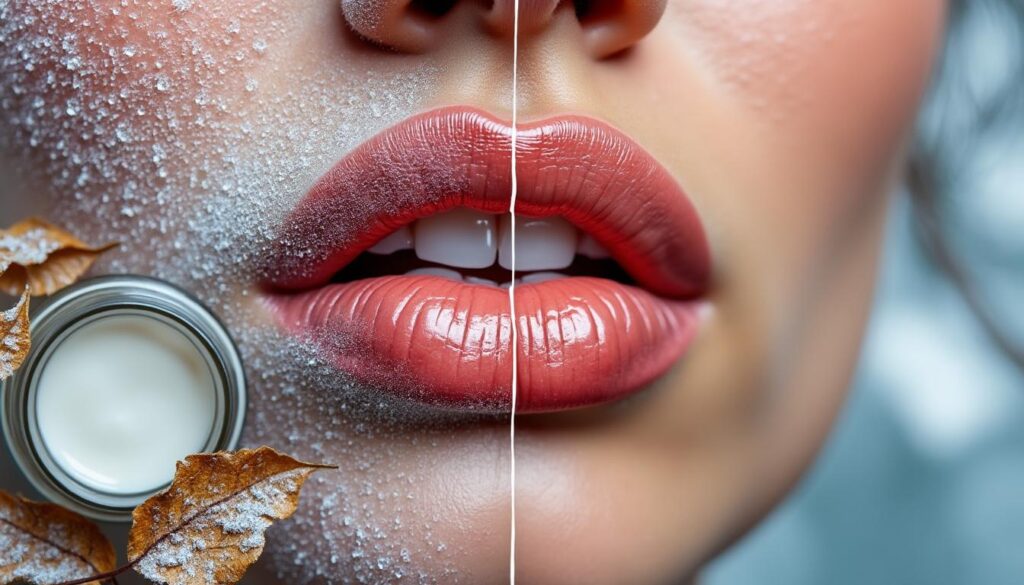
Chapped lips are a common condition, affecting all ages and profiles, especially during seasonal changes. Far beyond a simple aesthetic discomfort, they reveal a skin imbalance linked to environmental, nutritional, and behavioral factors. Understanding the mechanisms involved is essential to adopt the right care and habits that will help restore soft, supple, and lastingly protected lips.
🕒 The article in brief
Discover how to identify the main causes of chapped lips, the right gestures to treat them naturally, and the keys to effectively prevent this common nuisance.
- ✅ Common causes of chapped lips: climatic impacts and nutritional deficiencies
- ✅ Recommended natural solutions: vegetable oils and enriched balms
- ✅ Suitable care: choice of moisturizing and protective products
- ✅ Long-lasting prevention: hydration, sun protection, and balanced diet
📌 Adopting a complete routine combining care, nutrition, and protection is the key to healthy lips that feel pleasant to the touch.
Understanding the main causes of chapped lips to better treat them
Chapped lips result from a combination of factors that weaken their delicate skin. First, the climate greatly influences their condition. In winter, cold dry air combined with wind causes rapid hydration loss. Indoor heating also worsens this dryness. Conversely, sun exposure in summer without protection can cause burns and accelerate the skin aging of the lips, thus promoting cracks.
The peculiarity of lips comes from their lack of sebaceous and sweat glands, which normally protect the skin. Consequently, they dry out faster and require constant hydration. Internal dehydration, linked to insufficient water intake, also directly impacts their condition. Not drinking enough prevents the skin from regenerating properly, increasing dryness.
Additionally, certain additional external factors such as pollution, air conditioning, or the use of irritating cosmetic products can contribute to weakening the skin barrier. For example, some scented balms or lipsticks with drying agents paradoxically worsen the condition of the lips, causing inflammations or allergies.
Finally, a poorly adapted lifestyle, notably tobacco, excessive alcohol, or chronic stress, also plays a negative role. These habits reduce blood circulation and can lead to deficiencies in essential nutrients. A diet poor in vitamins (particularly vitamins B, C, E) and essential fatty acids harms skin structure and its ability to retain water.
To illustrate, imagine a person from Lyon exposed to the city’s icy wind, who also exposes their lips to the summer sun without protection during outdoor outings: this double exposure multiplies the risks of severe chapping, especially without appropriate care.

Symptoms not to ignore: recognizing warning signs of damaged lips
To act effectively, it is crucial to identify the symptoms of chapped lips as soon as they appear. You can first observe a loss of skin suppleness, which seems tight, rough, and thinner. This tightness is often the first alarm signal indicating significant skin dehydration.
Gradually, painful cracks and microfissures appear. These cracks can bleed if deep, generating constant discomfort, even pain with the slightest mouth movement. Sometimes, the surface of the lips is covered with visible dead skin that flakes off, indicating disturbed cell renewal.
Another common symptom is the sensation of tingling or burning, especially when consuming acidic or salty foods. This irritation reflects localized inflammation, a sign that the skin barrier is broken and vulnerable to external aggressions.
It is also important to monitor the frequency of these symptoms. If the condition improves quickly after hydration but recurs regularly, it signals a chronic dysfunction. For example, a person suffering from recurrent chapped lips despite daily balm application may have an imbalance in the skin microbiota, a factor long underestimated but now recognized by research.
Taking these signs into account allows careful adaptation of treatments and avoidance of complications, notably secondary skin infections if the cracks remain open.
Chapped lips solutions: natural remedies and effective care to prioritize
Turning to natural solutions often constitutes the first step to quickly relieve damaged lips. Vegetable fats rich in vitamins and essential fatty acids are particularly recommended. For example, shea butter has excellent nourishing and repairing properties. It forms a protective film that limits dehydration while soothing inflammation.
Beeswax is another precious natural ingredient, often used in synergy with oils like sweet almond oil or jojoba. These provide softness and suppleness, restore the hydrolipidic film of the lips, and promote healing.
Honey applied as a night mask is recognized for its antibacterial and healing virtues. Applying a thin layer before bed helps restore the skin without risking ambient aggressions during the night.
A very beneficial gesture is also a gentle scrub made from sugar mixed with vegetable oil, which will remove dead cells. This care stimulates skin renewal and allows better penetration of moisturizing treatments applied afterwards.
An easy example to make at home is preparing a stick made of shea butter, beeswax, and vegetable oil, ensuring a natural composition without additives or irritating fragrances. This homemade care is particularly suitable to avoid controversial ingredients sometimes found in commercial products.
Test your knowledge about chapped lips
Lip care: which products to choose for optimal hydration?
For appropriate management, it is essential to choose products specifically designed for lip hydration. Balms enriched with shea butter, beeswax, and vegetable oils offer lasting protection. In 2026, several new products incorporating innovative ingredients, such as prebiotics, are emerging to support the natural microbiota of the lips.
Lip sticks with SPF are essential to prevent sun-induced chapping. It is recommended to apply them regularly, even in winter, during outdoor activities. Creams or serums enriched with hyaluronic acid provide an immediate plumping and moisturizing effect, ideal for very dry or wrinkled lips.
In severe cases, a dermatological consultation may lead to considering specific medical treatments or professional care such as the Hydrafacial with Perk Lips booster. This treatment aims to reshape the lip contour and stimulate deep hydration, providing lasting comfort.
Here is a comparative table of the most common products for treating chapped lips:
| Product type 💄 | Main ingredients 🌿 | Advantages ⭐ | When to use ⏳ |
|---|---|---|---|
| Classic balm | Shea butter, beeswax | Long-lasting hydration, easy to apply | Daily, prevention and care |
| Lip stick SPF | UV filters, vegetable oils | Integrated sun protection | Every outdoor outing, year-round |
| Hyaluronic acid serum | Hyaluronic acid, antioxidants | Smoothing and immediate plumping | Occasional use, very damaged lips |
| Dermato-repair cream | Healing agents, specific moisturizers | Intensive treatment of severe cracks | Use under medical advice |
Prevention of chapped lips: simple daily habits to protect
The best strategy against chapped lips remains prevention. To avoid recurrence and worsening of lesions, several daily gestures should be incorporated:
- 💧 Hydrate lips morning and evening with a balm made from natural ingredients.
- ☀️ Always use an SPF stick when going outside, even on cloudy days.
- 🧴 Avoid harsh products or those containing irritating perfumes, colorants, and preservatives.
- 💦 Drink enough water (1.5 to 2 liters per day) to maintain good body hydration.
- 🥗 Eat a balanced diet favoring foods rich in omega-3s and vitamins (fruits, vegetables, fatty fish).
- 🚫 Do not lick your lips, a reflex that intensifies dryness by evaporating saliva.
- 😌 Reduce stress and adopt an overall wellness routine to promote skin regeneration.
Adopting these habits quickly strengthens the skin barrier of the lips, making them more resistant to external aggressions. Regular care should not be neglected, even in the absence of visible symptoms.
This video presents simple natural tips to quickly restore chapped and sensitive lips.
Discover the best lip balms recommended in 2026, combining innovation and respect for delicate skin.
When to consult a professional for persistent chapped lips?
In most cases, natural solutions for chapped lips and appropriate care are enough to restore healthy skin. However, some situations require medical management:
- 💡 Chapped lips that do not heal despite rigorous hygiene and care.
- 💡 Appearance of painful lesions, crusts, or frequent bleeding.
- 💡 Intense itching possibly revealing an allergy or eczema.
- 💡 Suspected significant nutritional deficiency, especially in vitamins B or iron.
- 💡 Presence of associated symptoms, such as recurrent canker sores or oral abnormalities.
In these cases, consulting a dermatologist or a general practitioner will allow a precise diagnosis and may lead to prescribing additional treatments, notably specific reparative care, nutritional supplements, or allergology tests.
What are the most common causes of chapped lips?
The main causes are cold, wind, dehydration, nutritional deficiencies, and external aggressions such as pollution or irritating cosmetic products.
How to naturally heal chapped lips?
Regular use of balms made from shea butter, beeswax, sweet almond oil, and applying honey at night are effective natural remedies to repair lips.
What simple gestures promote the prevention of chapped lips?
Regular hydration, protection against the sun with SPF, drinking enough water, avoiding licking lips, and adopting a balanced vitamin-rich diet are essential.
When should you see a doctor for chapped lips?
If cracks persist despite care, worsen, or are accompanied by pain, itching or bleeding, it is important to consult a healthcare professional.


