
Cholesterol control is a priority to preserve cardiovascular health, as an unbalanced level can promote the onset of serious diseases. Yet, the general public’s understanding of what cholesterol really is, and especially how diet influences its variations, is often lacking. Far from being an absolute enemy, cholesterol plays a central role in the body and requires a nuanced approach. By wisely adjusting the foods to favor or avoid, it is possible to maintain a beneficial lipid balance.
🕒 The article in brief
Discover how diet influences your cholesterol with precise advice to balance your menus.
- ✅ Choosing the right lipids: favor vegetable oils and fatty fish for a healthy lipid profile
- ✅ Essential dietary fibers: legumes and whole grains help reduce bad cholesterol
- ✅ Foods to strictly limit: cold cuts, saturated fats, and ultra-processed products to avoid
- ✅ Concrete dietary strategies: combine fruits, vegetables, nuts, and lean proteins daily
📌 Learning to compose your plate is an essential lever for sustainably controlling your cholesterol.
The essential role of cholesterol in the body and its impact on cardiovascular health
Understanding cholesterol means first realizing that it is not an absolute “enemy.” This lipid molecule plays a fundamental role in various biological functions. It participates, for example, in the synthesis of essential steroid hormones, the production of vitamin D, and the construction of cell membranes. Cholesterol is therefore a key player in the proper functioning of the body.
But everything lies in the subtlety of its forms. Cholesterol circulates in the blood in two main forms: LDL, commonly called “bad cholesterol,” and HDL, known as “good cholesterol.” When LDL is in excess, it deposits on artery walls, forming plaques that can obstruct blood flow. This situation leads to a significant increase in the risk of cardiovascular diseases such as atherosclerosis, heart attacks, or strokes.
Conversely, HDL acts like a cleaning vehicle, transporting cholesterol from the arteries to the liver for elimination. Thus, it protects blood vessels and helps prevent cardiovascular complications.
Many recent studies confirm that in 2026, controlling LDL levels remains crucial in the fight against these diseases. It is therefore vital to understand how diet can influence these blood lipids and promote cardiovascular health.
The factors influencing this balance are not limited to food consumption. A sedentary lifestyle, overweight, or certain family histories also contribute to the evolution of the lipid profile. Nevertheless, adjusting dietary habits often remains the most accessible and effective lever to act daily.
For example, research has shown that replacing saturated fats with unsaturated fatty acids from vegetable oils and fatty fish can significantly reduce LDL and increase HDL. This type of nutritional intervention is generally accompanied by a notable reduction in cardiovascular events.
Finally, understanding which foods to favor or avoid is the first essential step to making these changes gently and sustainably.
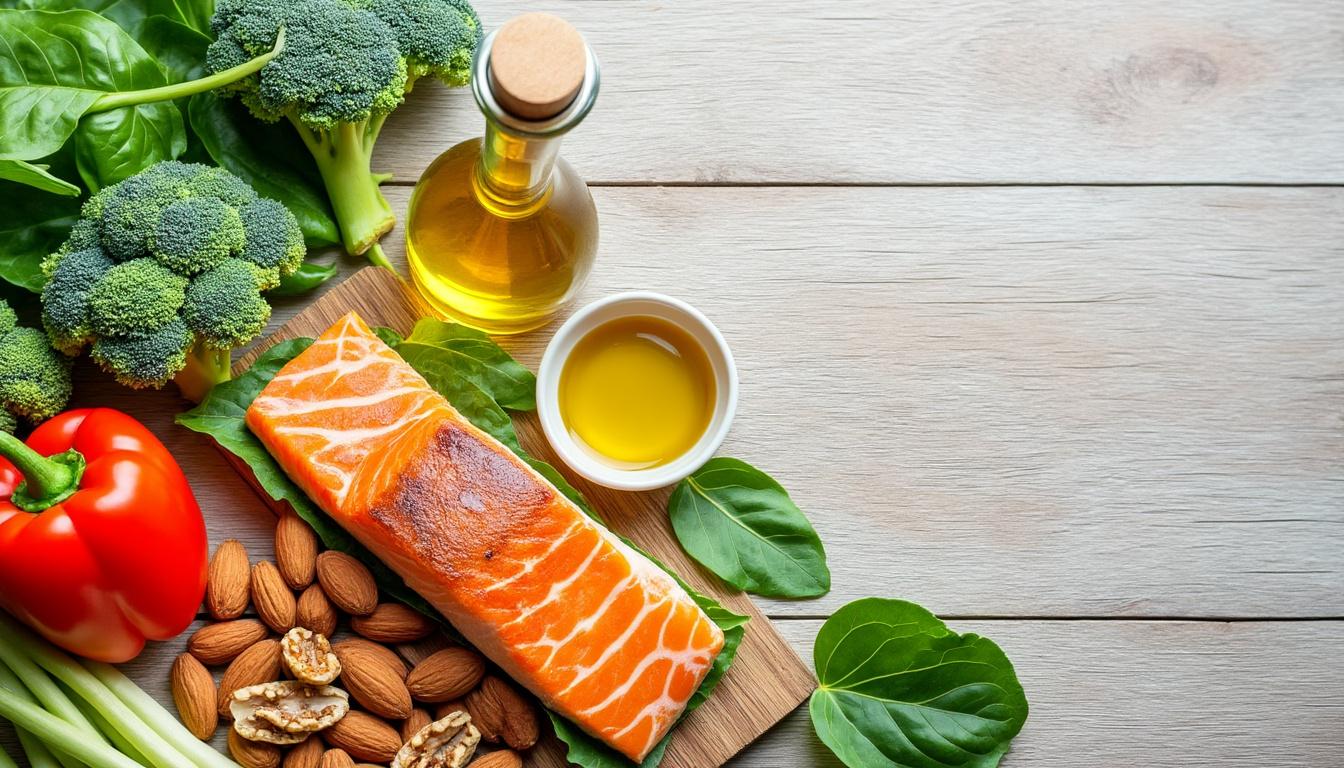
Which foods to prioritize to stimulate good cholesterol and limit the bad
To balance blood cholesterol, the choice of foods plays a major role. Several food groups are particularly recommended for effective action:
- 🌾 Soluble dietary fibers: Oats, oat bran, legumes such as lentils, chickpeas, and beans, as well as fruits such as apples and citrus, are essential. Their action traps lipids, thus limiting their absorption in the intestine and contributing to reducing LDL. Oat flakes, for example, are regularly associated with a significant decrease in LDL cholesterol in current studies (detailed information on oat flakes).
- 🐟 Fatty fish rich in omega-3: Salmon, mackerel, sardines, and herring provide essential unsaturated fatty acids that reduce inflammation and bad cholesterol levels. They also improve the fluidity of cell membranes, facilitating cholesterol transport. Salmon, in particular, offers many benefits confirmed by recent research (all about salmon and its benefits).
- 🥗 Quality vegetable oils: Extra virgin olive oil, rapeseed oil, and walnut oil are to be favored for their richness in unsaturated fatty acids. Using these oils instead of butter in seasoning and cooking improves the lipid profile.
- 🥜 Tree nuts: Almonds, walnuts, hazelnuts are sources of unsaturated fatty acids and antioxidants that protect the vascular wall and promote an increase in HDL. Regular consumption (about 30 g per day) contributes to better cholesterol balance.
- 🥬 Green leafy vegetables: Spinach, arugula, kale contain lutein, a compound beneficial for arterial health. They are also rich in fibers and antioxidants.
These foods can be intelligently combined throughout the day. For example, a breakfast with oat flakes and a handful of nuts, a lunch with a salad mixing green vegetables and a grilled salmon fillet, then an energy snack based on oleaginous fruits constitutes a pleasant and effective progression to control cholesterol.
Moreover, it is important to diversify protein sources by favoring lean meats, fish, and plant-based alternatives such as tofu. This diversity ensures an adequate nutrient intake while limiting saturated fats often abundant in certain meats.
A good anti-cholesterol diet therefore focuses on product quality as well as their harmonious combination to support a beneficial lipid balance.
Foods to absolutely avoid to not worsen LDL cholesterol
An unfavorable diet can quickly compromise cholesterol balance, especially if it is rich in saturated fats, fast sugars, and ultra-processed foods. These products increase bad LDL cholesterol and promote plaque accumulation in the arteries.
Among the foods discouraged are:
- 🥓 Cold cuts and fatty meats: Excess sausages, bacon, pâtés, as well as some very fatty meats increase LDL quantity. It is recommended to limit consumption to one portion a week, or even favor leaner alternatives like poultry or fish.
- 🧀 Dairy products rich in fat: Hard cheeses, butter, fresh cream should be consumed in moderation. Instead, natural yogurts or low-fat cheeses are advised.
- 🍰 Pastries, viennoiseries, and industrial snacks: These foods often contain trans fats and added sugars, very harmful to the blood lipid profile. Their regular consumption stimulates lipid production by the liver and promotes fatty deposits in the arteries.
- 🍟 Fried foods: They concentrate harmful oxidized fats responsible for inflammation of artery walls and poor cholesterol management.
- 🥤 Sweet sodas and excessive alcoholic beverages: They contribute to excessive lipid production and impair metabolism, worsening cholesterol imbalance.
These recommendations are part of a global logic that focuses on raw, minimally processed foods. For example, prefer homemade desserts with vegetable fats and limit industrial product consumption to effectively lower LDL.
This vigilance also applies to the choice of fats used in cooking. Banning palm, coconut, or partially hydrogenated oils in favor of vegetable oils rich in unsaturated fatty acids will significantly improve the lipid balance.
Practical advice for a balanced and anti-cholesterol diet
At the heart of cholesterol management, adopting a structured, simple, and pleasant diet is essential. Diversity and variety in meals cover all nutritional needs while regulating blood lipids.
Some key principles deserve to be integrated:
- 🥗 Two to three servings of vegetables per day: Raw vegetables, soups, and cooked vegetables should occupy a central place on the plate. Their richness in dietary fibers helps trap cholesterol in the intestine.
- 🍎 Two to three fruits per day: They provide vitamins, antioxidants, and fibers necessary for good balance.
- 🍚 Include legumes regularly: Lentils, chickpeas, beans advantageously replace animal proteins and help lower LDL.
- 🥜 Snack smartly: A small handful of nuts or almonds is ideal to raise good HDL cholesterol while avoiding excessive snacking.
- 🐟 Fish at least 2 to 3 times a week: Favor fatty fish rich in omega-3 that protect the cardiovascular system.
- 🍞 Favor whole grains: Especially for breakfast with oat flakes, which facilitate lipid regulation.
Attention should also be paid to portion sizes and the frequency of cholesterol-rich foods. Limiting to 2-3 eggs per week and moderating offal and shellfish rich in cholesterol contributes to a good overall balance.
Below is a table summarizing dietary recommendations according to key categories:
| Food category 🍽️ | To favor ✅ | To limit or avoid ❌ |
|---|---|---|
| Fats | Olive, rapeseed, walnut oils | Butter, hydrogenated margarine, palm and coconut oils |
| Proteins | Fatty fish, lean poultry, legumes | Cold cuts, fatty meats, frequent offal |
| Fruits and vegetables | Rich variety, green leafy vegetables, citrus fruits | Fried preparations, fatty sauces |
| Cereals and fibers | Oat flakes, whole bread, legumes | Refined cereals, industrial pastries |
| Dairy products | Natural yogurts, low-fat cheeses | Hard cheeses, cream, butter |
A rigorous dietary hygiene combined with an active lifestyle is undoubtedly the best defense against poorly controlled cholesterol.
Test your knowledge on cholesterol and nutrition
Integrating good habits daily for controlled cholesterol
Adopting good dietary practices should be progressive and personalized. Excessive rigidity causes discouragement or abandonment, which is counterproductive. On the contrary, simple, regular, and consistent changes bring lasting results.
For example, reviewing breakfast menus by introducing oat flakes, a natural yogurt, and a handful of dried fruits positively changes the lipid profile. The oat flake proves to be a precious ally to start the day with useful soluble fibers.
Lunch can include fatty fish, a mixed salad with green vegetables, chickpeas, and a dressing with olive oil. For snacks, favor a handful of nuts or fresh fruits like pears, which additionally offer a reasonable calorie and energy intake (details on pears and their benefits).
Dinners favor cooked vegetables, lean proteins such as poultry or tofu, and whole carbohydrates. The goal is to balance intakes throughout the day by limiting processed and fatty foods.
Finally, do not neglect the importance of lifestyle: regular physical activity, stress management, and quality sleep accompany the benefits of a suitable diet, strengthening cholesterol regulation and cardiovascular prevention.
Mastering these simple daily habits is the most precious legacy, passed down in some families as a secret of longevity and well-being.
What are the most effective foods to reduce bad cholesterol?
Favor soluble fibers (oats, legumes), fatty fish rich in omega-3, vegetable oils, nuts, and green leafy vegetables.
Why limit dairy products rich in fats?
They contain saturated fats that can increase LDL; it is preferable to choose lean cheeses and natural yogurts.
Are eggs to be avoided if cholesterol is high?
No, moderate consumption of 2 to 3 eggs per week is acceptable, while moderating other cholesterol-rich sources.
How do omega-3 fatty acids improve cardiovascular health?
Omega-3 reduce inflammation, improve blood fluidity, and help lower bad cholesterol while raising good cholesterol.
Is changing diet alone sufficient to control cholesterol?
Although diet is crucial, an active lifestyle and stress management are also essential for optimal control.


