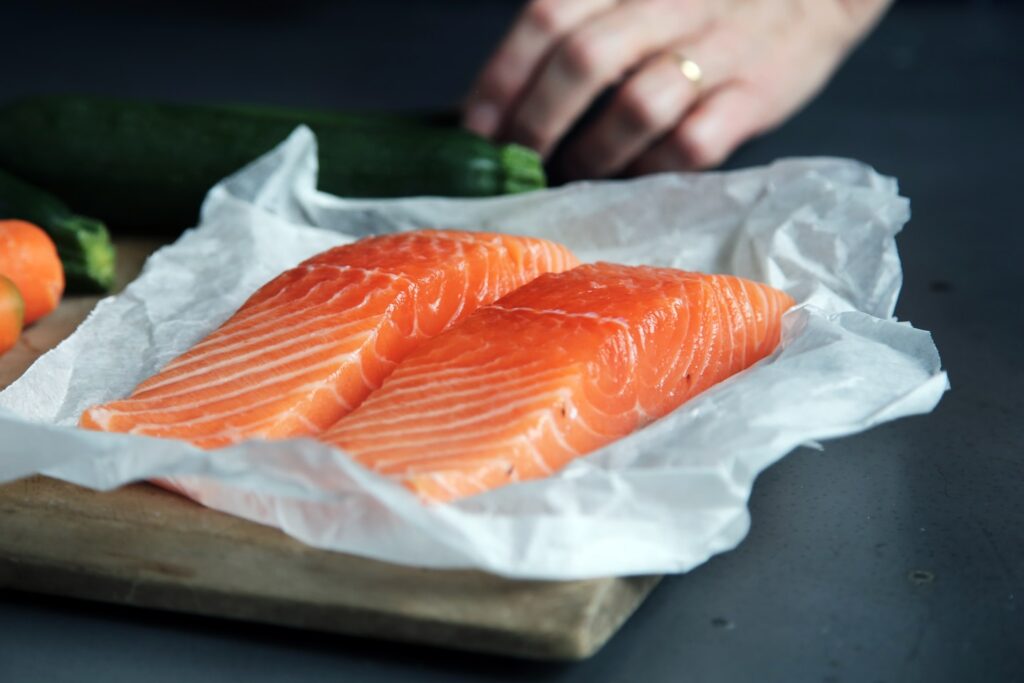
Salmon graces tables with its pink flesh and reputation as a fatty fish, often prompting questions about its calories and benefits. However, this fish is much more than just a delicacy: it is a valuable source of essential nutrients, ideal for a balanced diet. Between high-quality proteins, omega-3s, and vitamins, it is an indispensable health ally, provided its true energy value and the best preparation methods are known.
🕒 The article in brief
Discover how salmon combines gustatory pleasure and nutritional richness with controlled energy value.
- ✅ Controlled salmon calories: About 170 to 200 kcal per 100 g depending on origin
- ✅ Richness in nutrients: Proteins, omega-3, vitamins D and B12 abundantly present
- ✅ A slimming ally: Its satiety and fatty acids support weight management
- ✅ Suitable cooking methods: Steaming, en papillote, and grilling preserve benefits and flavors
📌 Well chosen and carefully cooked, salmon proves to be a true treasure for robust daily health.
Salmon calories: key figures and breakdown of its energy value
Salmon, often mistakenly described as an excessively fatty fish, shows a reasonable energy value that must be understood to properly integrate it into the diet. Generally, 100 g of fresh salmon provides between 170 and 200 kcal depending on whether it is wild or farmed. This variation is mainly explained by differences in lipid content and, to a lesser extent, by the preparation method.
Salmon’s fatty fish reputation is partly due to its creamy texture and characteristic color, which in reality hides very interesting nutrient contributions. Compared to other fish, such as cod (about 90 kcal/100 g), salmon is richer in calories, but these calories mainly come from high-quality proteins and essential fatty acids. These latter, far from being harmful, play a fundamental role in the functioning of the body.
To put these figures in a broader context, products like those from Bretagne Saumon or L’Atelier du Saumon offer rigorous traceability and valid data sheets, ensuring informed consumption. This energy density, although higher than some lean fish, is not a barrier to a balanced diet, as confirmed by numerous nutrition studies.
Detailed composition of calories by nutrient
Salmon calories are mainly broken down into:
- 🥩 Proteins: About 20 g per 100 g, essential for muscle building and cell repair.
- 🥑 Lipids: Between 8 and 15 g depending on origin, notably rich in omega-3, a fatty acid with anti-inflammatory virtues.
- 🍞 Carbohydrates: Virtually absent, salmon contains little or no sugar.
This profile gives salmon particular interest for those seeking controlled but quality energy intake. These proteins and lipids notably promote satiety, an important asset in weight management.
| Type of salmon 🐟 | Calories / 100g 🔥 | Proteins (g) 🥩 | Lipids (g) 🥑 | Omega-3 (g) 🌿 |
|---|---|---|---|---|
| Fresh salmon (Atlantic) | 194 | 20 | 13 | 2.5 |
| Label Rouge smoked salmon | 185 | 21 | 11 | 2.4 |
| Wild salmon | 170 | 20 | 8 | 1.8 |
Salmon benefits: key nutrients and impacts on heart health
Beyond its calories, salmon is a true concentration of benefits thanks to its richness in vitamins (notably D and B12) and essential minerals such as selenium, potassium, and phosphorus. These elements actively contribute to the proper functioning of the body and play a key role in preventing many chronic diseases.
Vitamin D contained in salmon promotes strong bones and supports immune response, a deficiency often responsible for fatigue or muscle disorders. As for vitamin B12, it is crucial for nerve health and red blood cell formation, thereby contributing to good vitality.
But it is the remarkable content of omega-3 fatty acids that distinguishes salmon as a precious ally for heart health. These unsaturated fats help reduce LDL cholesterol (the “bad” cholesterol) while increasing HDL (the “good” cholesterol), thus improving blood circulation and reducing the risk of cardiovascular events. Moreover, these omega-3s are recognized for their anti-inflammatory effects, which contribute to better metabolic balance.
Integrating salmon regularly into one’s diet, complementing a varied and balanced regimen, thus proves judicious to optimize one’s health capital. It is not just a gastronomic pleasure but a true investment for long-term well-being.
An ally for prevention and physical performance
Salmon’s abundant proteins play a fundamental role in muscle maintenance and repair, essential needs especially for athletes or active people. The satiating effect of quality proteins and lipids encourages better appetite control and reduces impulsive snacking.
Furthermore, antioxidants such as astaxanthin, responsible for salmon’s pink color, protect cells from oxidative stress, a key factor in premature aging and certain inflammatory diseases.
Minerals like potassium help regulate blood pressure, thus contributing to the prevention of hypertension.
This nutritional complementarity makes salmon a complete food, perfectly suited to a balanced diet that supports both mental and physical health.
Salmon calories vs other foods: where does it stand in a healthy diet?
Faced with the multitude of available foods, it is useful to place salmon calories in a comparative context with other protein sources and fish. As noted earlier, salmon contains more calories than a white fish like cod but offers undeniable benefits thanks to its high omega-3 content, rarely found elsewhere.
| Foods / Fish 🍽️ | Calories / 100 g 🔥 | Proteins (g) 🥩 | Lipids (g) 🥑 | Health assets 💡 |
|---|---|---|---|---|
| Farmed salmon | 200 | 20 | 15 | Omega-3, vitamin D |
| Cod | 90 | 18 | 0.8 | Low in fat |
| Sardine | 210 | 24 | 13 | Calcium, omega-3 |
| Chicken (white meat) | 110 | 24 | 1.2 | Lean proteins |
| Feta cheese | 260 | 14 | 21 | Calcium |
It should be noted that each food offers specific advantages. Thus, salmon provides a unique combination of essential fatty acids, hardly replaceable in other protein sources. Combining salmon with other products allows for beneficial variety and better overall nutritional coverage.
Salmon consumption in a slimming and health approach: portions, cooking methods, and advice
Fear of calories often leads to limiting salmon consumption, yet this fish can perfectly fit a slimming diet thanks to its satiating properties. The key lies in a reasonable portion (generally between 100 and 150 g) and the chosen preparation method.
Gentle cooking methods such as steaming, baking en papillote, or even grilling without excessive added fats help avoid excess calories while preserving the delicacy of the flesh and precious nutrients like salmon vitamins and omega-3s.
Conversely, avoid fried preparations or those covered in rich sauces that can significantly increase calorie intake. Smoked salmon is a tasty option, but watch its salt content, which needs careful control in an adapted diet.
Pairing salmon with fiber-rich sides such as steamed vegetables, quinoa, or lentils amplifies satiety effect and nutritional balance, as advised in many dietary recommendations. This combination favors better blood sugar regulation and meets energy needs without excess, which is crucial to avoid cravings.
- 🍳 Favor light cooking: steaming, en papillote, light grilling
- 🥗 Accompany with fibers: vegetables, whole grains, legumes
- ⚖️ Control portions: 100 to 150 g for a balanced meal
- 🧂 Moderate smoked salmon: due to its sodium content
Salmon calorie calculator
Estimate your caloric intake based on the amount of salmon you consume.
Nutritional benefits of salmon
- Rich in high-quality proteins.
- Excellent source of omega-3 fatty acids (DHA and EPA) beneficial for the heart.
- Contains B vitamins (B12, B6, niacin) essential for metabolism.
- Provides selenium, a natural antioxidant.
- Supports cognitive health and reduces inflammation.
Choosing and storing your salmon to preserve its nutritional benefits
Choosing quality salmon is also crucial to fully benefit from its nutritional and gustatory qualities. Labels like Label Rouge guarantee rigorous traceability and respect for production methods, ensuring freshness and safety.
Wild salmon, leaner, offers a slightly different lipid profile, with a more moderate calorie content and very interesting omega-3s. Conversely, farmed salmon, often fattier, remains a healthy and accessible option, carefully controlled.
For storage, some simple rules apply: keeping fresh salmon between 0 and 2 °C and using it quickly (ideally within 48 hours) prevents bacterial development and flavor loss. Freezing, if done well, also preserves its nutritional properties.
Better understanding these elements contributes to an informed choice, key to fully benefiting from salmon’s health advantages without compromise on taste or dietary balance, while avoiding the pitfalls of industrial preparations often rich in hidden calories.
To deepen your knowledge on the caloric composition of fish-based preparations and better organize your meals, consult this article on popular sushi calories or advice on organizing the perfect picnic with friends.
How many calories are in 100 g of fresh salmon?
Fresh salmon contains between 170 and 200 calories per 100 grams, varying according to origin and preparation.
Is farmed salmon more caloric than wild salmon?
Farmed salmon is generally a bit richer in lipids and therefore calories, but the difference remains moderate and its nutritional quality is good.
Can salmon be included in a slimming diet?
Yes, by respecting portions (100-150 g) and favoring light cooking methods, salmon fits perfectly into a balanced diet.
Is there a risk consuming salmon several times a week?
For a person without contraindications, 2 to 3 weekly portions of salmon are recommended. It is nevertheless advised to vary fish sources to limit exposure to pollutants.
Which salmons to prefer for better quality?
Prefer Label Rouge salmon, wild salmon, and brands guaranteeing traceability such as Duc de Gascogne or Bretagne Saumon to optimize quality and safety.


