
The Powerwalk stands out as an accessible exercise that checks all the boxes of a modern routine: simple to adopt, gentle on the joints, and sufficiently sustained to awaken the body without shocking it. This brisk walk is not a passing trend; it answers a very concrete need for well-being and daily health, at a time when we are seeking effective, realistic solutions that fit a busy schedule.
Halfway between a leisurely stroll and a fitness session, Powerwalk cultivates endurance, supports circulation, stimulates energy and promotes stress reduction. Its most appealing feature is its simplicity: a good pair of shoes, a steady pace, a bit of consistency, and the effects are felt step by step, like a well-oiled machine that gets the body moving and the mind calm.
In brief
Powerwalk captivates with its discreet effectiveness: it works the entire body without imposing the intensity of an impact sport. Accessible, motivating, and easy to slip into daily life, it helps to regain control of one’s fitness with regularity.
- A dynamic walk for everyone: sustained pace, low impact, easy daily practice
- Visible effects on fitness: increased endurance, tone, and energy expenditure
- Real mental support: stress reduction and better well-being sensation
- An easy routine to maintain: gentle progression, light equipment, sustained motivation
Powerwalk transforms a simple outing into a tangible lever to move more, breathe better, and feel better every day.
Powerwalk: why this brisk walk is so popular in 2026
In parks, on quaysides, or around residential neighborhoods, Powerwalk is gaining ground because it meets a very current demand: moving without complexity. This physical activity requires no gym, no machine, no intimidating learning curve. It naturally fits into daily life, like a useful pause between two obligations.
The principle is simple: walk faster than during a classic stroll, generally at a pace around 5 to 6 kilometers per hour, sometimes more depending on the level. The goal is not to sprint but to find a sustained pace that still allows conversation. This balance between effort and ease makes the practice reassuring for beginners and stimulating for those who want to regain breath without engaging in too harsh a workout.
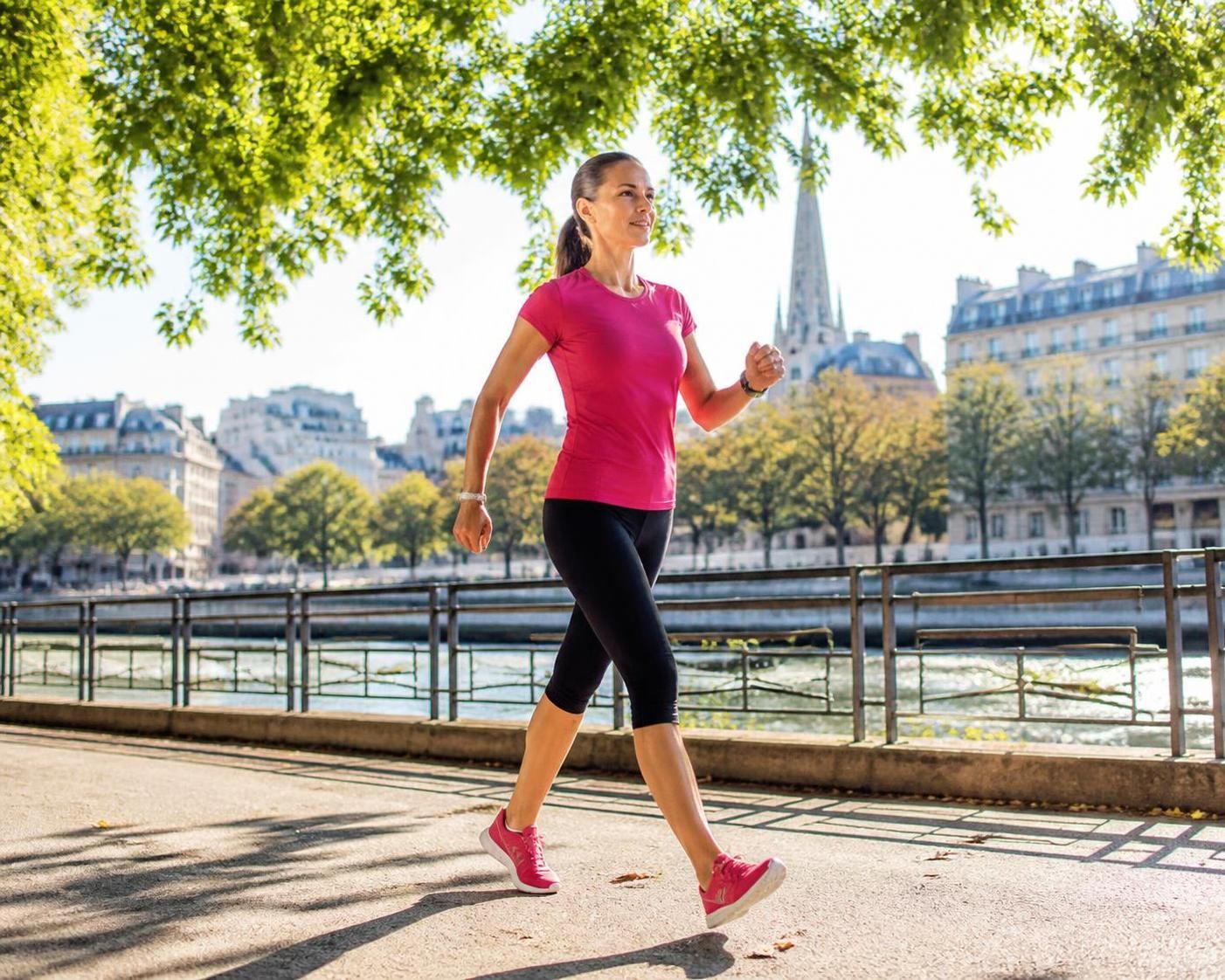
A practice that speaks to the body without harming it
The great asset of Powerwalk lies in its low impact. Where some disciplines heavily strain the knees or ankles, this form of brisk walking works the heart, legs, and postural muscles with more gentleness. It’s a bit like switching from harsh lighting to a brighter but comfortable light: the intensity is there, without aggression.
This logic explains why so many people start after a period of sedentary lifestyle, a return to activity, or an episode of fatigue. The body regains landmarks, the mind regains confidence, and regularity becomes easier to establish. A point often noted by public health professionals: the best routine is the one you want to repeat.
The benefits of Powerwalk on well-being, heart, and mood
If Powerwalk is so popular, it is also because it acts on several levels at once. The heart works harder, breathing organizes, muscles awaken, and energy expenditure increases. The body exits automatic mode as if every step sent a signal to resume circulation.
Mentally, the effect is just as interesting. Brisk walking helps channel thoughts, create a bubble of concentration, and promote stress reduction. Many walkers describe a sensation of clarity after a session, comparable to what you feel after airing out a room that has been closed too long.
Concrete effects on daily health
By strengthening endurance, Powerwalk can support cardiovascular system activity over time. Reference organizations like the WHO regularly remind the benefits of moderate and regular activity for preserving health. It is not a spectacular promise, but a logic of accumulation: a few well-conducted sessions eventually weigh heavily in the balance of well-being.
The metabolic dimension also matters. Brisk walking engages more muscles than a leisurely walk, which promotes better calorie burning. Add to that better sleep for many active people, and you understand why this practice fits so well into a global fitness strategy.
How to practice Powerwalk correctly from the first sessions
The good news is that you don’t need to master everything to start. The most important thing remains regularity, not performance. A successful session resembles more a controlled buildup than an improvised athletic challenge.
The ideal starting point is to adopt a sustained but comfortable pace, fast enough to feel the effort, without losing control of breathing. The body must remain aligned, shoulders relaxed, and gaze forward. A solid posture works like a good foundation: it makes the stride smoother and limits unnecessary tension.
Simple cues that change everything
A few habits are enough to make the session more effective. It is useful to slightly lengthen steps without forcing, synchronize breathing with movement, and drink regularly, especially when the temperature rises. Nothing spectacular, but a real difference in comfort and endurance.
- Keep a steady rhythm throughout the session
- Lengthen your stride moderately to engage more muscles
- Breathe regularly to avoid shortness of breath
- Hydrate before and after to support endurance
- Gradually increase duration and intensity over the weeks
This gentle progression echoes an idea often shared by hiking enthusiasts: health is built through small repeated gestures. Powerwalk works precisely because it respects this pace.
What equipment to choose for a comfortable and motivating brisk walk
The necessary equipment remains limited, which is part of the charm of this practice. Shoes must provide good support, a flexible sole, and enough cushioning to absorb ground impacts. An appropriate model makes walking more enjoyable, especially when you start to lengthen sessions.
Clothing benefits from being breathable and flexible. Technical fabrics that wick moisture prevent discomfort when the body heats up. During a return to activity, this detail makes a huge difference: when you feel comfortable, you are more eager to go out again the next day.
| Item | What to prioritize | Why it’s useful |
|---|---|---|
| Shoes | Cushioning, support, flexible sole | Reduces shocks and improves stability |
| Clothing | Breathable and lightweight fabrics | Evaporate moisture and maintain comfort |
| Smartwatch | Tracking pace, distance, heart rate | Helps measure progress and stay motivated |
| Walking poles | Optional, depending on goal | Increase intensity and upper body engagement |
Small equipment, but a real effect on motivation
In real life, it’s often the little details that decide regularity. A smartwatch can help visualize progress, comfortable clothing encourages going out, and well-chosen shoes prevent small pains that discourage. Equipment doesn’t do everything, but it can remove invisible barriers.
A simple example: when someone records their outings in an app or monitors their heart rate live, they better understand their progress. This visibility turns effort into a readable journey, and the readable journey into a lasting habit.
Building a Powerwalk routine that lasts over time
The ideal progression starts modestly, then expands as the body adapts. Three 30-minute sessions per week often form a realistic base. Then, the duration can increase, then the frequency, without ever sacrificing recovery.
A simple plan helps avoid the enthusiasm of the start followed by a sudden stop. This is also where Powerwalk stands out from many overly ambitious practices: it rewards consistency more than feats. A well-done walk on Monday, Wednesday, and Saturday can already change the mood of an entire week.
Example of progression over several weeks
| Period | Frequency | Duration | Intensity |
|---|---|---|---|
| Weeks 1 to 2 | 3 times a week | 30 minutes | Moderate |
| Weeks 3 to 4 | 3 to 4 times a week | 40 minutes | Moderate to sustained |
| Weeks 5 to 6 | 4 times a week | 50 minutes | Sustained |
Adding some complementary exercises can also make a difference: core strengthening, mobility, gentle stretches. This trio supports posture, improves core strength, and reduces the risk of stiffness. In practice, this allows walking longer with more ease.
Is Powerwalk suitable for beginners?
Yes, because it is a progressive activity, easy to adapt to your level and gentle on the joints.
What difference does it have with a simple stroll?
Powerwalk is practiced at a significantly faster pace, with a dynamic posture and more engaged breathing.
How long do you have to walk to feel effects?
Regular practice of 30 to 40 minutes, several times a week, can already improve energy and well-being.
Do you need special equipment to start?
No, but good shoes and breathable clothing significantly improve comfort and regularity.


