For over fifty years, Population Services International (PSI) has been revolutionizing access to healthcare in the most remote and vulnerable regions of the world. Working at the crossroads of technological innovation, community proximity, and health education, this NGO is committed to providing health services tailored to the real needs of populations. Its approach focused on reproductive medicine, prevention, and disease control lays the foundation for sustainable health equity. Discover how PSI is establishing itself as a key player in the transformation of the global health landscape.
🕒 Article in Brief
Population Services International is redefining access to care through a fine integration of innovations and community values, enabling more equitable health in 48 countries.
- ✅ Healthcare within reach: PSI combines technology and local grounding to reach remote populations
- ✅ Promotion of reproductive health: fighting taboos and empowering women
- ✅ Innovation serving prevention: deployment of drones and digital tools to strengthen services
- ✅ Sustainable approach: continuous evaluation for lasting health impact
📌 A model of excellence in global health combining technology, humanity, and local expertise.
Population Services International: a cornerstone for access to care in isolated regions
Population Services International stands out as a unique NGO, a true gardener of global health, patiently and creatively cultivating solutions adapted to local needs. Indeed, in remote rural and urban areas, notably in Madagascar, Niger, or Vietnam, access to health services remains a major challenge. Insufficient infrastructure, distance, lack of qualified staff, and economic constraints are barriers that PSI strives to overcome daily.
Since 1970, this organization has relied on a dense network of community groups and strategic partnerships, working closely with local and international actors like Médecins Sans Frontières or Action Against Hunger. By drawing on proven methods and constantly innovating, PSI transforms conventional health systems into accessible, efficient services sensitive to local cultures, thereby contributing to genuine health equity.
A flagship example concerns the distribution of maternal health kits in remote areas, accompanied by advanced training for community mediators to break taboos related to contraception. The drone delivery of medicines in Madagascar perfectly illustrates the NGO’s agility and inventiveness in overcoming impassable roads during the rainy season. This innovative tactic ensures that often forgotten populations benefit from appropriate medical follow-up while raising awareness of prevention and health education through local digital tools. An approach that brilliantly embodies PSI’s philosophy: health must be within everyone’s reach, everywhere.
| 🌍 Region of Operation | 🎯 Main Mission | 🔗 Partner Example |
|---|---|---|
| Niger | Accessible and decentralized family planning | Save the Children France |
| Madagascar | Medicine delivery by drone | Action Against Hunger |
| Vietnam | HIV prevention and community support | Alliance Sud |
| Nicaragua | Nutrition programs for children | CARE France |
Offering a tailored approach, far from uniform campaigns, allows PSI to provide truly person-centered care, thereby enhancing effectiveness. This approach is essential for community programs to function fully and for each user to appropriate the tools provided.
Sexual and reproductive health, a key driver of PSI’s access to care programs
Sexual and reproductive health occupies a central place in the work of Population Services International. Far from standardized approaches, PSI emphasizes the empowerment of women and girls so they can freely and knowledgeably decide about their health and future. This mission fits into a broader vision aimed at expanding access to essential services through prevention, health education, and the provision of affordable contraceptive means.
Specialized educational workshops, designed specifically for teenagers, accompany the free distribution of protective means. These programs are supported by support groups and digital platforms offering total confidentiality, invaluable in contexts where talking about sexuality often remains taboo. PSI also trains young local mediators, real trusted references in their communities, able to guide and enlighten personal choices while fighting against the stigma around HIV/AIDS.
Particular attention is paid to data and impact evaluation. For example, between 2024 and 2026, HIV incidence among youth aged 15 to 24 dropped noticeably in areas where PSI deploys its campaigns. At the same time, millions of additional beneficiaries gained access to family planning thanks to low-cost implants and playful information adapted to local languages.
- 👩🎓 Educational workshops for informed choices
- 💕 Free distribution of contraceptive protections
- 🎭 Campaigns to reduce HIV-related stigma
- 💬 Creation of support groups for open exchanges
- 📲 Confidential digital platforms for intimate advice
By helping reduce unwanted pregnancies and delay early marriages, PSI plays a major role in reproductive health while fostering more active participation of women in family decisions. Through these initiatives, PSI demonstrates that sexual health is undeniably a powerful engine to improve overall well-being and social cohesion.
Bold innovations to overcome obstacles to access health services
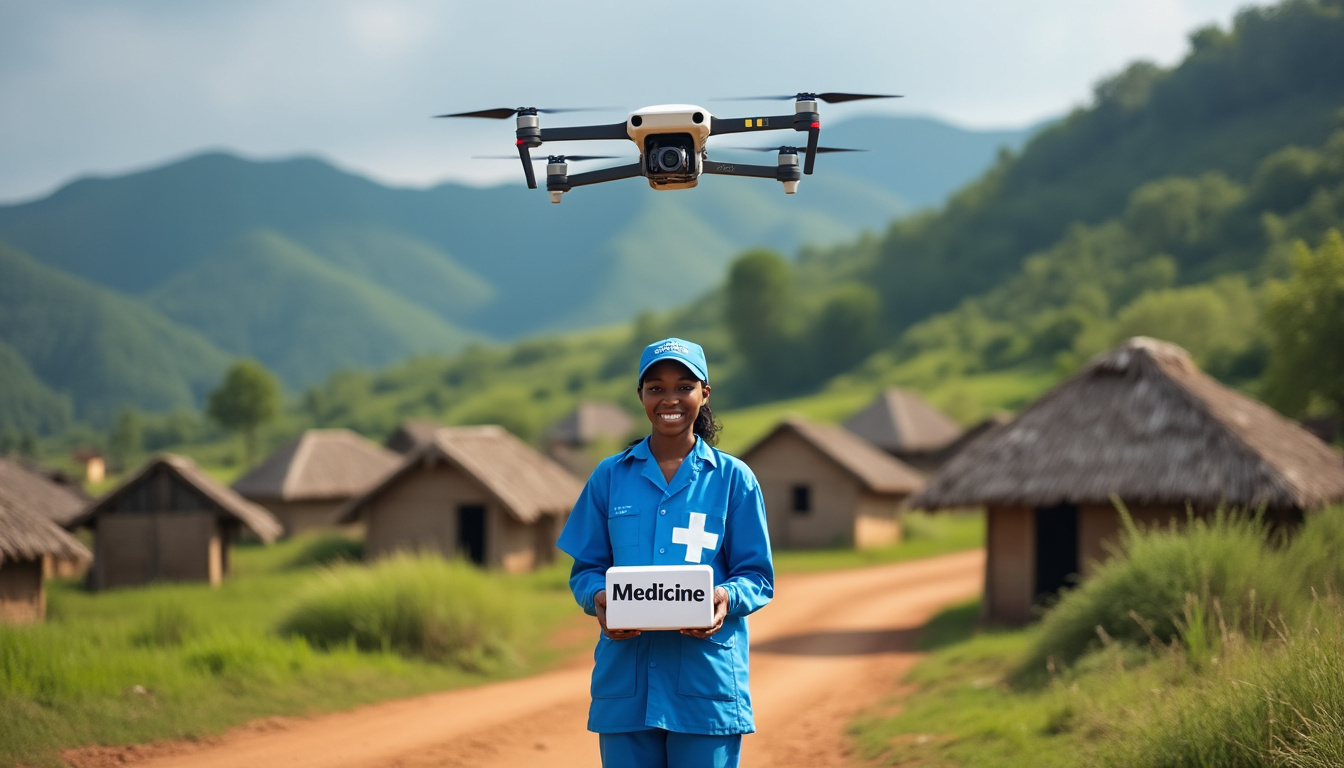
PSI stands out for its pragmatic innovation capacity, deploying technological solutions adapted to the specific constraints of the territories where it operates. The use of drones to distribute medicines and vaccines in isolated corners, notably in Madagascar, is the most striking example. This innovation reduces delivery times, ensures the cold chain, and bypasses access difficulties even during the rainy season.
Beyond delivery, PSI offers HIV self-testing kits accompanied by advice via mobile applications, allowing populations to access secure services 24/7. These digital tools are often designed in local languages and integrated into a community tracking system that triggers early alerts, for example for infant malnutrition in certain areas of Niger.
Health campaigns are also strengthened through interactive radio broadcasts, which reach a wide audience even in areas with limited internet access. This broad diffusion relies on dynamic partnerships with NGOs like Oxfam France and CARE France, which multiply contact points and optimize program reach in multisectoral logics.
| 🛠 Innovation | 🏡 Benefit for Population | 🧑 Concrete Example |
|---|---|---|
| 🚁 Drone delivery | Quick access to care in remote areas | Vaccine deposit in 180 Malagasy centers in 2026 |
| 💡 HIV self-testing kits and mobile advice | Anonymous consultations accessible anytime | Young women trained in self-testing in West Africa |
| 🤗 Community alert systems | Early detection of epidemics and infant malnutrition | Model village in Niger using a mobile app |
How Population Services International improves access to healthcare worldwide
Discover the innovations, measured impact, and global reach of Population Services International through this interactive infographic.
Key Innovations
Measured Impact
Number of beneficiaries (in millions) per year
Global Reach
Click on a continent to see the number of projects and populations impacted by Population Services International.
Impact measurement and program sustainability for lasting health
Sustainability characterizes all actions deployed by PSI. More than a one-off intervention, each initiative is rigorously monitored through quarterly evaluations incorporating beneficiary feedback. This ongoing dialogue allows adjustment of services and better responsiveness to expressed needs, in a continuous improvement logic.
The rejection of “flash-in-the-pan” humanitarian effects encourages PSI to prioritize co-construction with communities, ensuring concrete ownership of solutions. This fieldwork relies on a transparent system of regular reports published, strengthening the trust of populations and partners.
Beyond mere implementation, PSI is committed to sustainably training local mediators and creating support networks that persist well after projects end. For example, decentralized antenatal care contributes to a notable reduction in perinatal mortality, while targeted actions on maternal and child health demonstrate direct impact measured on a regional scale.
- 📅 Quarterly evaluations and reports
- 🔁 Integration of local feedback
- 🧑🔬 Qualitative surveys on used systems
- 🕊️ Strengthened partnerships to maximize long-term effects
- 📚 Transparent publication of results
This commitment to rigor recalls the precision of European protocols in public health, emphasizing the importance of fine management to increase effectiveness and limit unnecessary side effects. Thus, PSI embeds its actions in a long-term perspective, gradually restoring essential trust between caregivers and the communities they serve.
PSI: a model of social innovation and international collaboration for global health
In 2026, Population Services International continues refining its intervention model, favoring a holistic and human vision of health. The organization places at the heart of its priorities the voice of populations, the valorization of local expertise, and the consideration of emerging challenges, from nutritional deficiencies to new pathologies.
Like NGOs such as Handicap International that emphasize inclusion, PSI ensures its programs adapt to the specificities of each territory, notably targeting priority groups such as adolescents and youth. Collaboration remains a fundamental lever, with numerous international partners bringing together expertise and resources to best meet essential health needs.
This transnational collaboration also integrates prevention and education into evolving digital frameworks, strengthening impact sustainability while facilitating access and service transparency. The use of teleconsultation, first deployed by PSI before the pandemic, has become widespread, offering unprecedented access to care even in fragile contexts.
| 🌿 PSI Strengths | 💡 Examples of Excellence | 👫 Collaboration |
|---|---|---|
| Territorial flexibility | Programs co-designed with communities | Co-initiatives with Oxfam France and CARE France |
| Transparency | Regular and open public reports | Participatory consultations on the field |
| Digital integration | Mobile platforms for consultation and education | Exchanges with Alliance Sud and Solidarités International |
To learn more about the multiple facets of access to care and health innovations, also discover complementary resources on health planning and improvement or draw inspiration from shared testimonies about accessible health worldwide.
What is Population Services International’s specific role compared to other NGOs?
PSI mainly focuses on prevention, health education, and family planning, complementing interventions from NGOs like Médecins Sans Frontières which provide emergency and specialized care.
How does PSI ensure its services adapt to local needs?
The NGO establishes constant dialogue with communities, trains local mediators, and organizes regular participatory evaluations, ensuring personalization and ownership of solutions.
Does PSI work only on reproductive health?
No, PSI also intervenes in malaria control, infant malnutrition, diarrhea and pneumonia, often integrating its actions into a global community health approach.
What are the benefits of technological innovations implemented by PSI?
These innovations, such as drone delivery or self-testing kits, increase rapid access to care, improve prevention, while making services more accessible and confidential.
With which NGOs does PSI regularly collaborate?
PSI cooperates with several actors like Oxfam France, Action Against Hunger, CARE France, and Alliance Sud to strengthen the multidimensional impact of its programs.


