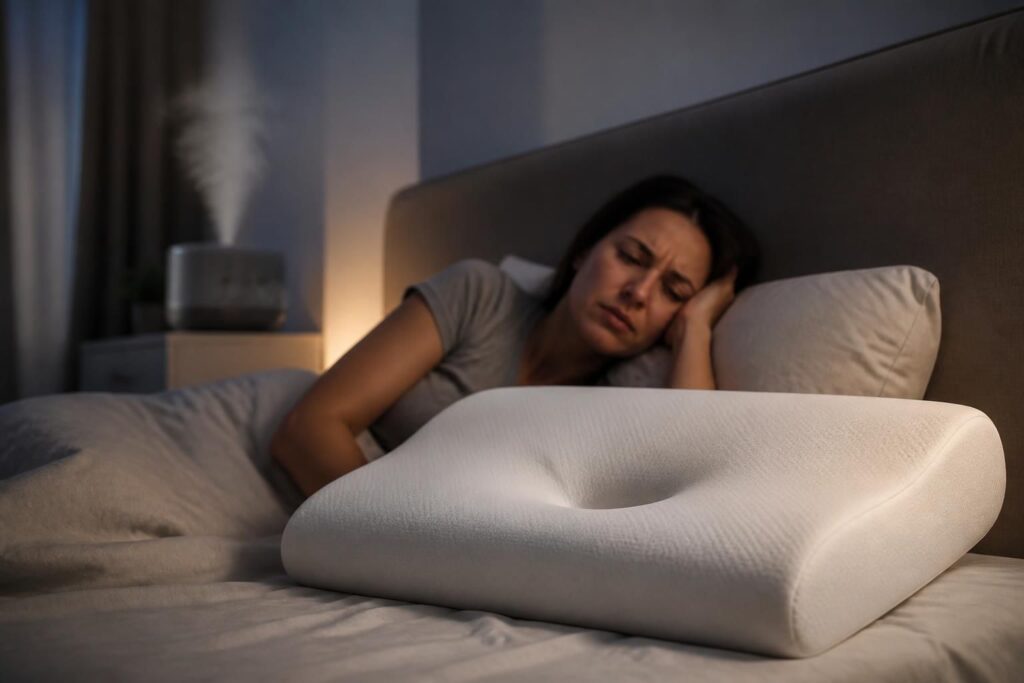
Choosing a memory foam pillow can transform your nights thanks to personalized comfort and specific cervical support. However, this technology is not without health and sleep quality risks. Between chemical emissions, improper posture, and potential allergens, it is essential to decode these effects in order to adopt good practices. Understanding the strengths and limitations of this material will allow you to optimize your nighttime well-being and avoid lasting pain or discomfort.
The article in brief
The memory foam pillow appeals with its targeted support but can have impacts on health and sleep if poorly chosen or used. Here are the essentials to know.
- Chemical emissions under monitoring: The foam releases VOCs harmful in the short term.
- Cervical support double-edged sword: Can become rigid and unbalance sleeping posture.
- Natural alternatives to prioritize: Latex and plant fibers reduce allergies and heat.
- Crucial maintenance tips: Ventilation, cleaning, and appropriate choice improve hygiene and comfort.
Better understanding these risks is the key to choosing a pillow that combines comfort and durable protection of your health.
Components and chemical risks linked to the memory foam pillow
The memory foam pillow is based on viscoelastic polyurethane foam, a petroleum-derived material. This foam contains substances such as isocyanates, known to irritate the skin and respiratory tract, especially in sensitive individuals. When opening the product, the foam releases volatile organic compounds (VOCs) such as formaldehyde or toluene that can cause headaches and irritation. These emissions decrease after airing for 48 to 72 hours, highlighting the importance of not using your new pillow immediately.
Furthermore, some pillows contain brominated flame retardants, controversial substances likely to have endocrine and neurological disruptive effects in case of prolonged exposure. It is therefore recommended to check the composition and favor certified models guaranteeing low emission of harmful products.
| Component | Origin | Potential risks | Critical exposure duration |
|---|---|---|---|
| Isocyanates | Polyurethane manufacturing | Respiratory irritations, skin sensitization | Prolonged exposure, low residual dose |
| Volatile organic compounds (VOCs) | Initial off-gassing | Headaches, irritations, allergies | 24-72 hours post-opening |
| Brominated flame retardants | Fire safety additives | Endocrine disruptions, neurological effects | Chronic exposure |
Posture, comfort, and cervical risks linked to viscoelastic foam
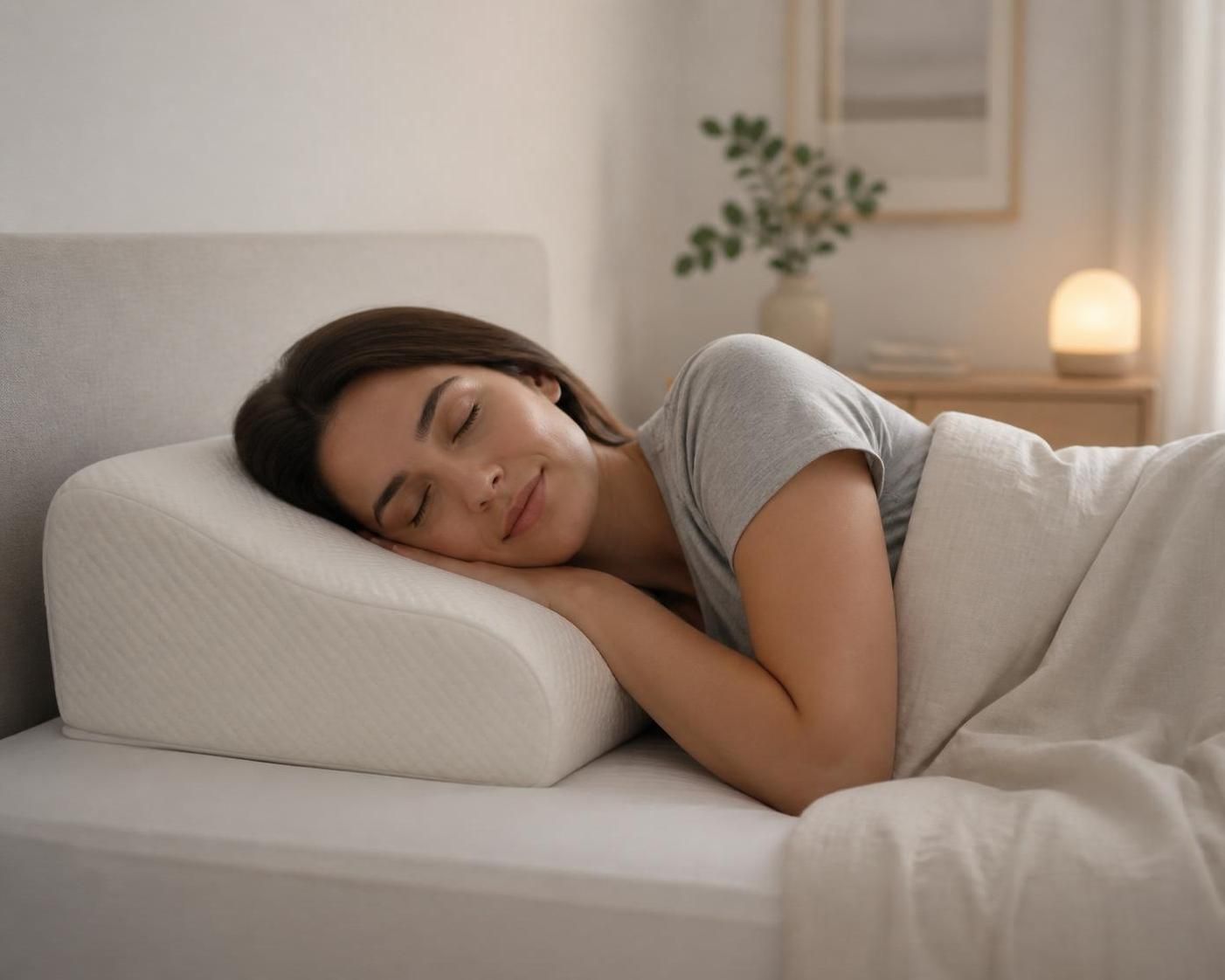
The main asset of the memory foam pillow is its personalized support of the head and neck, relieving tension in the cervical area. However, this comfort can turn into a source of pain if the pillow is poorly adapted. For example, in a prone position, the foam sometimes remains rigid, exerting excessive pressure on the neck and causing poor spinal alignment. This imbalance can lead to persistent pain and deterioration of sleep quality.
Another notable drawback: the “oven effect.” The dense foam traps heat around the head, raising body temperature by 1 to 2 degrees. People sensitive to heat or living in hot regions may thus suffer from nighttime discomfort, sweating, or frequent awakenings. Moreover, the foam’s low ventilation encourages the proliferation of dust mites and mold, increasing the risk of allergies, especially in asthmatics.
List of tips to limit risks and improve comfort
- Air the pillow for at least 48 hours before use to reduce chemical emissions.
- Choose a pillow adapted to your sleeping posture (prone, lateral, or supine).
- Prefer hypoallergenic and regularly washable covers.
- Maintenance: vacuum the foam with a HEPA filter to limit dust and mites.
- Replace your pillow every 18 to 36 months for good hygiene and optimal support.
- Opt for Oeko-Tex or CertiPUR certified models guaranteeing controlled manufacturing.
Natural alternatives to memory foam pillows for healthy sleep
For those who wish to avoid the inconveniences related to chemical components and heat, several natural alternatives exist. Certified GOTS natural latex pillows offer firm support and excellent breathability while being naturally resistant to dust mites. Organic cotton, wool, or plant fibers such as kapok are also popular for their softness, hypoallergenic properties, and temperature regulation capacity.
Besides limiting allergies, these materials contribute to better sleep quality by promoting a healthier and less warm environment. Innovative brands now offer ecological foams made from plant sources (such as soy), thus reducing chemical emissions without sacrificing the characteristic comfort of memory foam.
Choosing between firm or soft pillows according to body shape and needs
Firmness choice directly affects cervical support and sleeper posture. Soft pillows are particularly suitable for small-sized people or those who sleep on their stomach, offering a wrapping and soft sensation that limits pressure points. Conversely, firm pillows are recommended for larger builds and people who sleep on their back or side, where firm support prevents excessive neck bending.
| Pillow type | Advantages | Disadvantages |
|---|---|---|
| Soft | Wrapping comfort, good adaptation, ideal for small body shapes | May lack support for large builds, risk of sagging |
| Firm | Firm support, good elasticity, suitable for broad shoulders | Less comfortable for some, risk of pressure points |
Certifications and maintenance for a healthy and durable memory foam pillow
Choosing a pillow with certifications such as CertiPUR-US, OEKO-TEX, or GOTS is a guarantee of health safety. These labels attest to low VOC emissions, absence of toxic substances, and environmentally friendly manufacturing. They also guarantee better resistance to allergens.
Maintenance is just as crucial: daily airing of the pillow, regular washing of covers, use of anti-dust mite protections, and replacing the product every 2 to 4 years promote optimal hygiene and prevent inconveniences related to dust and microbes. Some brands offer antibacterial and antimicrobial covers for increased comfort and safety.
Can sleeping with a memory foam pillow cause headaches?
Yes, volatile organic compounds (VOCs) released by new foam can cause headaches, especially in sensitive individuals. Prior airing of 48 to 72 hours reduces this risk.
Why are memory foam pillows not recommended for children under 3 years old?
In toddlers, the density of the foam can hinder breathing and impair temperature regulation, increasing the risks of suffocation and overheating.
How to maintain a memory foam pillow to limit allergies?
It is recommended to regularly wash the removable cover and vacuum the foam with a HEPA filter at least once a month to limit dust and dust mites.
Are there less risky alternatives to viscoelastic foam?
Yes, pillows made of natural latex, organic cotton, or plant fibers offer cervical comfort without the chemical compound emissions associated with synthetic foam.
How to choose a pillow suited to your sleeping position?
For side sleepers, a thick and firm pillow is recommended; on the back, a medium density suffices; for the prone position, an extra-flat model is preferable to avoid cervical compression.


