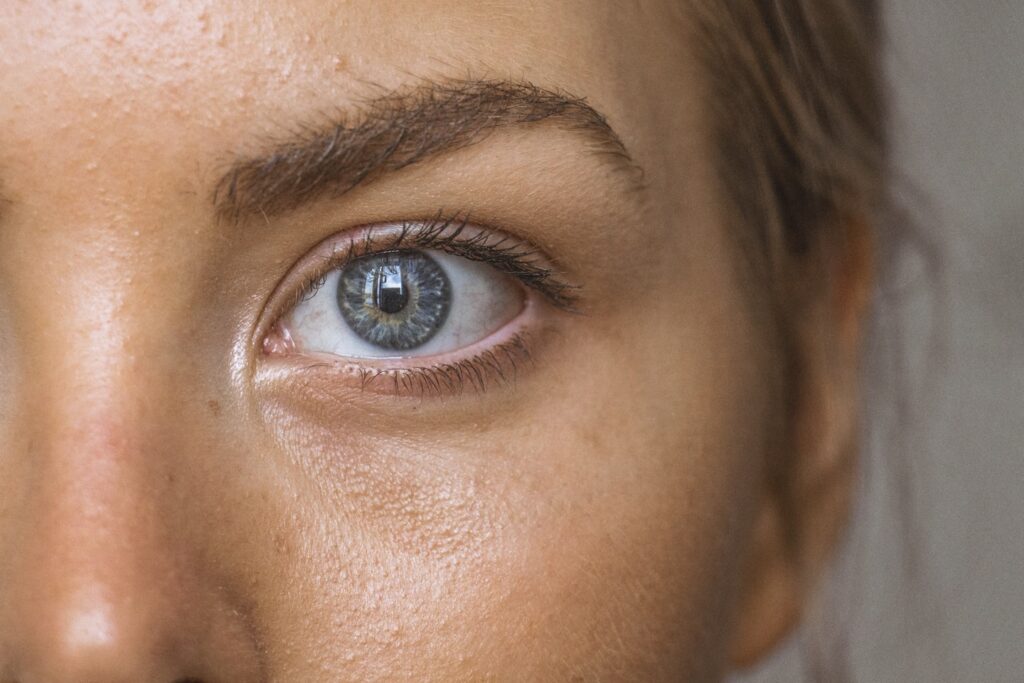
Under-eye bags are a common phenomenon affecting a large portion of the population, especially after the age of 40. Their appearance often results from a subtle mix of skin aging, water retention, eye fatigue, and even allergies. These swellings, although sometimes perceived as a simple sign of aesthetic wear, reflect complex biological mechanisms related to age and lifestyle. Understanding the causes of under-eye bags opens the way to effective solutions, ranging from eye contour care to targeted medical interventions, thus offering a visibly fresher and more rested look.
🕒 Article summary
Under-eye bags reflect a combination of biological and environmental factors that can be treated effectively.
- ✅ Decoding the main causes: Aging, water retention, and lifestyle habits have an impact
- ✅ Key differences to know: Understanding bags versus dark circles to act better
- ✅ Daily adapted solutions: Care, home remedies, and modern techniques
- ✅ Prevention and healthy habits: Tips to limit appearance and worsening
📌 An informed look at under-eye bags allows concrete action to regain freshness and well-being.
The fundamental causes of under-eye bags: a multifactorial phenomenon
Under-eye bags refer to localized swellings under the lower eyelid, resulting from an excess of orbital fat or fluid accumulation. This phenomenon should not be confused with dark circles, which manifest as a darker coloration without visible relief. In this essential distinction, it becomes clearer how each manifestation requires a specific approach. The causes of under-eye bags, far from being unique, involve several interdependent mechanisms.
Skin aging is recognized as the main factor. With age, the production of collagen and elastin decreases, causing visible skin laxity around the eye contour, where the skin is particularly thin and fragile. This laxity favors the forward displacement of orbital fat, creating this characteristic bulging relief. A dermatological study conducted in Canada in 2024 showed that the annual decrease of collagen after 25 years reaches about 1.5%, which, in the long term, directly contributes to this phenomenon.
At the same time, a natural muscle relaxation process occurs. The muscles surrounding the eye lose their tone, leading to tissue sagging. This mechanism typically intensifies between 35 and 40 years of age, when under-eye bags often appear. In women, these changes may occur earlier, notably due to hormonal fluctuations.
Finally, water retention is a frequently underestimated cause. The peri-orbital area is particularly sensitive to poor lymphatic circulation, which can cause temporary fluid accumulation. This phenomenon is often amplified by certain lifestyle habits and environmental factors, worsening the appearance of bags upon waking or after stressful periods.
This complexity explains why a deep understanding of the causes of under-eye bags is crucial to consider adapted solutions. It helps avoid generic treatments that are sometimes ineffective by precisely targeting the problem’s origin, whether biological, genetic, or lifestyle-related.
Lifestyle and aggravating factors of under-eye bags
Beyond biological mechanisms, certain behaviors and habits amplify water retention and skin aging, contributing to the formation or worsening of under-eye bags. Understanding these modifiable factors is a key step to prevent or sustainably reduce these aesthetic issues.
Smoking is a striking example. Nicotine destroys collagen and harms microcirculation, causing accelerated aging of the skin around the eyes. According to a 2024 publication by the Canadian Dermatology Association, smokers develop under-eye bags on average 5 to 7 years earlier than non-smokers. This skin degradation adds to poor oxygenation of tissues, contributing to a tired and aged look.
Alcohol, for its part, induces a double harmful effect: it dehydrates the body and then causes compensatory water retention visible on the face. The dehydration-retention cycle weakens the skin and accentuates the formation of bags, especially if consumption is regular. This toxicity combines with sleep disturbances, which deprive the skin of its natural regeneration time, increasing eye fatigue and swelling.
Sleep plays a fundamental role in cellular renewal. Too short or poor-quality nights can quickly lead to more pronounced bags. Lack of rest slows lymphatic drainage, reinforcing the sensation of heaviness under the eyes. Adopting a regular sleep routine with a slightly elevated pillow can greatly improve this aspect.
In addition to habits, diet directly impacts water retention. Excessive salt consumption amplifies this phenomenon. Sodium promotes water retention, preventing the normal evacuation of fluids accumulated in facial tissues, especially around the eyes. Processed foods, rich in hidden salt, are often responsible for these insidious effects. Reducing the intake of cold cuts, salted cheeses, or ready-to-eat meals is therefore recommended to visibly lighten bags.
Finally, allergies are a common medical factor that should never be neglected. Nearly a quarter of the Canadian population is affected by seasonal allergies, which cause local inflammation and disrupt lymphatic circulation. These allergies therefore exacerbate the formation of under-eye bags, often fluctuating according to the seasons.
Effective solutions and treatments to reduce under-eye bags
The variety of causes of under-eye bags justifies a wide range of solutions, to be chosen according to their origin and the swelling intensity. Solutions for under-eye bags thus combine home remedies, specific eye contour care, and medical treatments.
In a natural approach, the application of cold compresses remains the simplest and most immediate method to deflate the area. Cold promotes vasoconstriction and stimulates microcirculation, thereby reducing fluid accumulation. Using green tea or chamomile bags, rich in antioxidants, offers an additional anti-inflammatory effect, often appreciated for its soothing action.
Lymphatic massage, with gentle circular movements around the eye, encourages the drainage of stagnant fluids. This technique can be easily integrated into an eye contour care routine, extended by using creams containing caffeine, known for its draining and firming properties.
For more advanced cases, less invasive medical treatments have gained popularity in recent years. Radiofrequency and focused ultrasounds target skin laxity and firm the thin skin around the eye, thus delaying the progression of bags. These methods, with costs ranging between €50 and €300 per session depending on the region as an indication, offer a good balance between effectiveness and safety.
When bags result from a significant excess of orbital fat, cosmetic surgery remains the most durable solution. Blepharoplasty, performed by specialists, involves removing or repositioning fat while tightening the lax skin. According to 2025 data, this type of procedure is favored in Canada by patients seeking a natural and lasting effect.
For more information on some targeted solutions, this article offers a comprehensive overview of dark circle removal, complementary to the management of under-eye bags.
Interactive comparator: solutions for under-eye bags
Discover the key differences between light, aesthetic, and surgical treatment approaches.
| Criterion | Light treatment | Aesthetic treatment | Surgery |
|---|---|---|---|
| Cost | ⚡ 50-150€ | 💰 300-1000€ | 💸 2000-3000€ |
| Duration of effect | Temporary (hours) | Medium term (months) | Long term (years) |
| Invasive | No | Slightly | Yes |
| Risks | Low | Moderate | Higher |
Click on a column to display only that approach.
Prevention of under-eye bags: practical tips for a fresh look
Although genetics or skin aging are less modifiable factors, many measures can limit the appearance or progression of under-eye bags. Adopting a balanced lifestyle is the cornerstone of this prevention.
Sufficient hydration, about 1.5 liters of water per day, promotes good lymphatic drainage and thus reduces local water retention. Sleep rhythm is also essential, with 7 to 8 hours recommended to allow the skin to fully regenerate.
Choosing a specific eye contour care cream from the age of 25 proves particularly relevant. These products often contain active ingredients such as caffeine or peptides that stimulate cellular renewal and strengthen microcirculation. Their regular application delays skin laxity and limits the appearance of bags.
Moreover, limiting UV exposure by using appropriate sun protection preserves natural collagen production. Respecting these daily habits is crucial to slow aging and the onset of swelling.
Finally, correcting certain habits such as smoking, excessive alcohol consumption, or intake of salty foods plays a key role. The body reacts quickly to these changes, and a visible improvement in the peri-orbital area can occur within a few weeks.
Careful monitoring of underlying medical conditions such as allergies or thyroid disorders is also essential for comprehensive prevention. Follow-up with a healthcare professional ensures an accurate diagnosis and guides the best therapeutic options.
Essential questions about under-eye bags
How to quickly reduce under-eye bags?
For quick effect, apply cold compresses for 10 minutes and gently massage the eye contour with circular movements. Elevating the head at night and using refrigerated spoons or cold green tea bags can also temporarily relieve.
What illness can cause under-eye bags?
Several illnesses such as hypothyroidism, seasonal allergies, kidney failure, or certain autoimmune diseases can cause bags. Medical advice is necessary if bags appear suddenly or are accompanied by other symptoms.
Which foods promote the appearance of under-eye bags?
Foods rich in sodium, alcohol, excessive caffeine, and industrial products are the main causes of water retention and bag formation. It is recommended to limit salt to 5g per day, according to Health Canada guidelines.
Can under-eye bags disappear naturally?
Bags related to stress, fatigue, or water retention can diminish with good lifestyle habits. However, bags caused by age or muscle laxity often require specific treatments for lasting improvement.
At what age do under-eye bags start?
The first signs usually appear between 35 and 40 years old, with variations linked to genetics and lifestyle. Women may be affected earlier, notably because of hormonal fluctuations.


