
The health insurance landscape is undergoing a revolution thanks to emerging technologies and medical innovations that are redefining medical coverage. From telemedicine to artificial intelligence, these advances not only facilitate access to care but also optimize personalized prevention, improve monitoring through electronic medical records, and integrate connected devices for proactive health management. This innovative upheaval promises a smoother, more efficient, and patient-centered experience.
🕒 The article in brief
Discover how the latest technological innovations are transforming the health insurance world, offering insured individuals more personalized, accessible, and preventive coverage.
- ✅ Telemedicine and 24/7 teleconsultation : Simplification and expanded access to remote medical care
- ✅ Artificial intelligence in insurance : Automation and personalization of risk management
- ✅ Connected devices and health big data : Real-time monitoring for adapted prevention
- ✅ Digitalization and innovative services : Optimized customer experiences and simplified journeys
📌 Dive into the digital evolution that reinvents how everyone benefits from effective and resilient medical coverage.
How telemedicine is revolutionizing access to care in health insurance
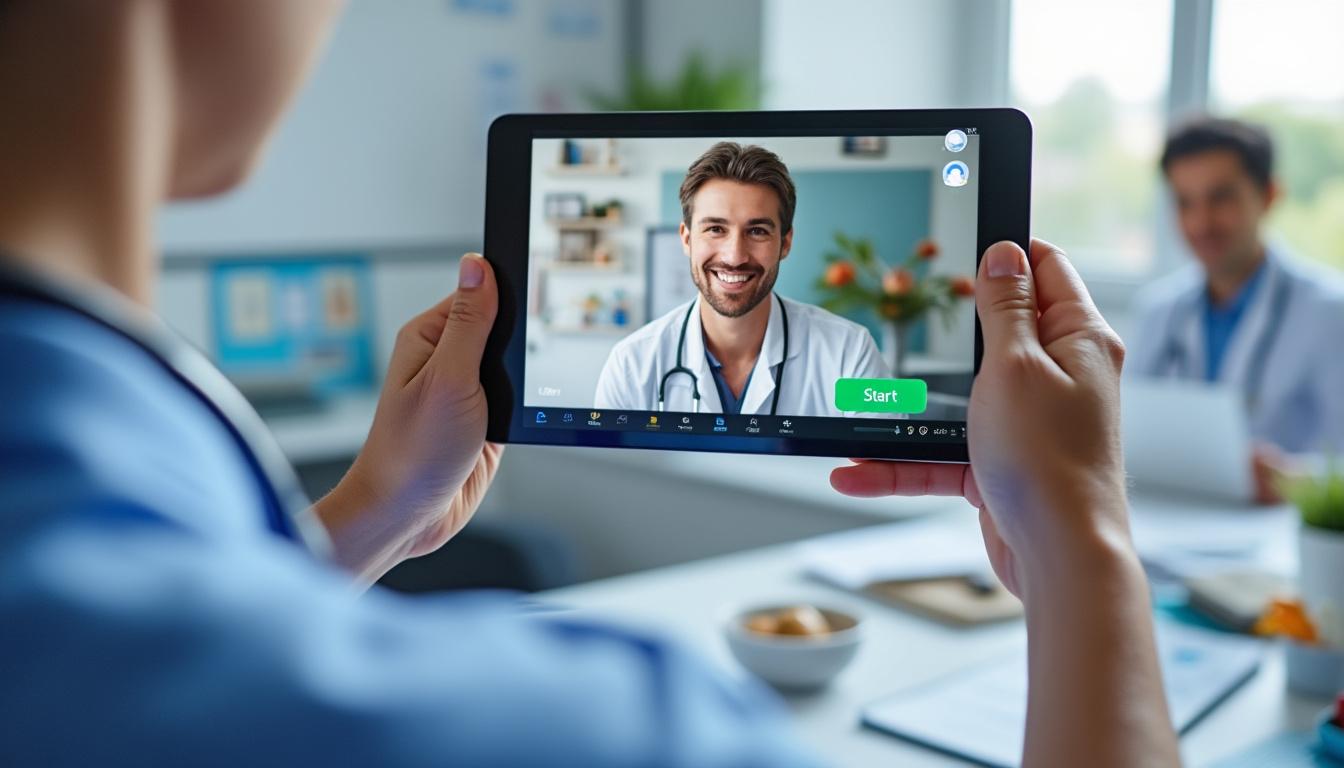
Telemedicine is establishing itself as a major innovation, transforming the ways medical consultations take place. Today, thanks to dedicated applications such as MédecinDirect or Qare, insured individuals can consult healthcare professionals without geographical constraints or rigid schedules. This flexibility not only facilitates access to care but also reduces travel, which is valuable for diverse populations — seniors, people in rural areas, or busy workers.
These teleconsultation technologies, now systematically integrated into health insurance offers, also help streamline care provision. For example, by avoiding unnecessary in-office consultations, they contribute to cost control while ensuring quality medical follow-up. Many mutual insurers have integrated these services and combined them with personalized prevention advice, a real leap towards proactive medical coverage rather than reactive.
Telemedicine is no longer limited to simple audio or video consultations: it now includes the secure transmission of images, analysis results via electronic medical records, and post-consultation follow-up. Thus, coordination between healthcare professionals is improved, greatly benefiting the continuity of care. This facilitated access guarantees more equality in medical coverage, a still crucial issue in current public health debates.
Finally, this technology promotes reduced waiting times and optimized management of minor emergencies. For example, during epidemics or health crises, it can become a key tool to avoid overcrowding medical offices and hospitals. This advance reflects a progressive but concrete adaptation of the health insurance sector to a world where digitalization is essential.
Artificial intelligence: a driver of personalization and efficiency in health insurance
Artificial intelligence (AI) has quickly established itself as one of the essential pillars of medical innovations in health insurance. It plays a crucial role in predictive analysis, allowing anticipation of risks and real-time personalization of offers based on the insured’s profile. This level of relevance revolutionizes personalized prevention, proposing care pathways adapted to specific needs rather than uniform solutions.
For example, advanced algorithms analyze health big data derived from electronic medical records, consultations, and data collected by connected devices to detect early warning signs of chronic diseases. Health insurance thus becomes proactive, encouraging clients to adopt healthier behaviors through personalized campaigns, smart reminders, or dedicated programs.
Beyond prevention, AI also automates administrative processes, reducing errors, speeding up care reimbursements, and improving insured satisfaction. Intelligent chatbots quickly answer common questions, while AI systems assess the validity of claims, limiting fraud and optimizing costs for insurance organizations.
This technological integration also offers increased transparency in contract management, with solutions that clearly explain to insured individuals the terms of their medical coverage. This trend is accompanied by growing digitalization of services, offering an omnichannel customer experience blending automation and human interaction depending on specific needs.
In 2026, major players in the mutual sector collaborate with specialized start-ups to develop these innovative solutions, illustrating the market’s dynamism. This alliance between technology and health reshapes the contours and expectations of health insurance, placing artificial intelligence at the heart of the new relationship between insurers and insured.
Connected devices and health big data: a revolution for prevention and follow-up
The advent of connected devices (wearables) has paved the way for continuous and real-time monitoring of health indicators, now integrated into health insurance strategies. Smartwatches, activity bracelets, or biometric sensors collect valuable data such as heart rate, sleep quality, stress level, or daily physical activity.
These elements, analyzed via health big data platforms, enable better understanding of insured individuals’ habits and early detection of risk factors. For example, a prolonged increase in heart rate or sleep disturbances can trigger an alert to a healthcare professional, or encourage targeted interaction from the mutual insurer, with lifestyle advice tailored accordingly.
This personalized monitoring disrupts the traditional approach to medical coverage by steering health insurance towards predictive medicine. By stimulating insured individuals’ engagement through reward systems, badges, or challenges (gamification), organizations encourage active prevention, made more motivating because solutions are connected and accessible via smartphone.
However, this use of massive data raises significant issues regarding confidentiality and the security of personal information. That is why regulations are increasingly strict, ensuring patients and insured receive rigorous protection while allowing secure exploitation of this data. This careful balance is essential to maintain trust among all involved parties.
The successful integration of connected devices and health big data into health insurance offerings illustrates a strong trend: the customer experience is moving towards more proximity, adaptability, and support, thus transforming medical coverage into a true daily health assistant.
Digitalization and omnichannel: simplifying management and enriching the insured experience
Digitalization of customer journeys is a central lever in transforming the health insurance sector. To meet insured individuals’ expectations, mutuals and insurers now offer a smooth experience, accessible anytime via online portals, intuitive mobile applications, and innovative digital services.
Contract management, claims declaration, and reimbursement have been simplified through automation of flows such as the Noémie system, which allows near-automatic transmission of health benefits between organizations. The DSN (Déclaration Sociale Nominative) also helps streamline contribution management, reducing administrative tasks for insured and professionals.
Hybrid models, combining digital interaction and human support, ensure a valuable balance. For example, chatbots powered by artificial intelligence answer simple questions in real time, while human contact is prioritized for complex files or sensitive phases such as subscription. This omnichannel approach thus guarantees adapted personalization at each stage of the customer journey.
The integration of modular services, such as instant reimbursement by Alan or personalized offers by APICIL, addresses diverse needs without increasing complexity. These innovations aim not only to ease procedures but also to create true proximity with the insured, thereby improving satisfaction and loyalty.
Finally, with the multiplication of mergers and strategic partnerships, the sector focuses on rationalizing information systems to optimize costs and operational efficiency. This harmonization prepares mutuals for a future where medical coverage lies at the heart of an integrated digital ecosystem, beneficial for all.
Key points of digitalization in health insurance:
- 📱 Intuitive portals and mobile applications
- 🔄 Automation of administrative flows and reimbursements
- 🤖 Chatbots and AI for 24/7 customer service
- 👥 Human interaction for personalized support
- 🔗 Partnerships and rationalization of information systems
Quiz: Innovations in Health Insurance
| Innovation 🚀 | Key Advantage ✔️ | Concrete Example 💡 | Impact on Medical Coverage 📈 |
|---|---|---|---|
| Telemedicine | Simplified access to care | Application MédecinDirect | Reduced delays, better prevention |
| Artificial intelligence | Personalization of offers | Predictive risk analysis | Proactive prevention and faster reimbursements |
| Connected devices | Real-time monitoring | Activity bracelets and connected watches | Ensured engagement in personalized prevention |
| Digitalization | Smoother procedures | Noémie and DSN flows | Cost optimization and enriched customer experience |
Changes in the health insurance market facing economic and regulatory challenges in 2026
While technological advances are redefining medical coverage, the health insurance sector is also under strong economic and regulatory pressures. In 2023, contributions reached 43 billion euros with a notable increase in collective contracts, which now surpass individual contracts in value. This growth, supported by tariff increases linked to medical cost inflation, nevertheless poses a profitability challenge for insurance organizations.
Charge transfers between Health Insurance and complementary insurers, adjusted to 900 million euros, weigh on financial management, requiring constant spending optimization. Furthermore, reforms such as Complementary Social Protection introduce increased competition, weakening some historic sector players and leading to more mergers and strategic partnerships.
This market restructuring is accompanied by a rise in insurance companies at the expense of traditional mutuals. This new landscape favors large diversified groups, capable of integrating a globalized offer combining health insurance, provident funds, and savings. This strategy aims to secure their sustainability against increased competition and ever more demanding customer expectations in terms of digital services and personalized support.
To ensure durable financial balance, organizations must strengthen underwriting discipline to save on low-margin contracts and control loading rates. Digitalization of management processes, with advanced automation and intelligent tools, remains the main lever to contain costs without compromising service quality.
Finally, rationalization of information systems, often complex following numerous acquisitions, has become a priority to improve productivity. This dynamic is notably embodied in the growing delegation of benefit management to external specialists, thus freeing insurers to focus on innovation and customer experience.
This evolving economic and regulatory context highlights the importance of understanding the various facets of the market, encouraging insured individuals and professionals to inform themselves about developments to better anticipate their needs and guarantees in a rapidly transforming health insurance.
More information on the latest trends in health and well-being and on technical security standards in health insurance provide important additional insight.
What is telemedicine and how does it impact medical coverage?
Telemedicine allows consulting a doctor remotely via digital tools. It facilitates access to care, reduces delays and costs, and is increasingly integrated into health insurance offers for rapid and effective care.
How does artificial intelligence improve the management of health insurance?
AI helps analyze risks, personalize offers, automate reimbursements, and detect fraud. It makes the service more efficient, faster, and provides a smoother customer experience.
What are the benefits of connected devices for health prevention?
Connected devices provide real-time monitoring of health indicators and allow personalized prevention. They encourage the adoption of healthy behaviors and give mutual insurers data to better support insured individuals.
How does digitalization change the experience of insured individuals?
Digitalization simplifies administrative procedures through automation, offers intuitive mobile applications, and combines artificial intelligence with human contact for a smooth and personalized customer journey.


