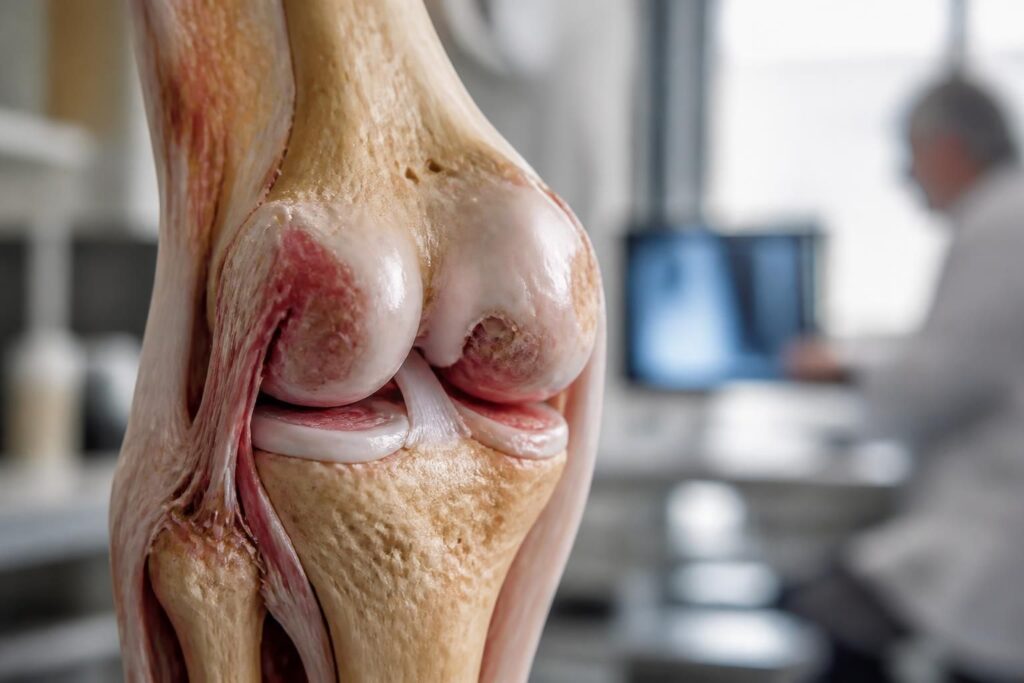
Osteoarthritis, a degenerative joint disease, affects millions of people worldwide, often accompanied by persistent pain and functional limitations. In search of a miracle cure to slow joint degeneration, many encounter a multitude of natural or alternative solutions claiming relief and regeneration. Yet, the scientific reality remains much more nuanced. This article explores the current evidence, debunks misconceptions, and guides towards effective options to soothe joint pain and preserve mobility.
The article in brief
A clear overview of osteoarthritis shows the absence of a miracle cure despite a plethora of promising natural and alternative treatments.
- Osteoarthritis revealed: A common disease with varied symptoms such as pain and stiffness.
- Natural remedies scrutinized: Limited effects often comparable to placebo.
- Recommended physical exercise: The best ally to reduce pain and improve function.
- Realistic expectations: No cure, but appropriate management for a more comfortable life.
Understanding these realities helps adopt an effective and personalized treatment to live better with osteoarthritis.
Osteoarthritis and joint degeneration: a complex disease to grasp
Osteoarthritis mainly manifests as progressive wear of the cartilage, the protective layer covering the bone ends in a joint. This degradation leads to local inflammation, intermittent or even chronic pain, stiffness, and decreased joint mobility. The degeneration affects not only the cartilage but also the underlying bone, which can undergo sclerosis or develop osteophytes, these characteristic bony growths visible on X-rays.
The most frequently affected joints are the knee, hip, spine, as well as the hands and fingers. For example, gonarthrosis, knee osteoarthritis, is particularly common in seniors, affecting more than 80% of people after 80 years old, although not all suffer from disabling pain.
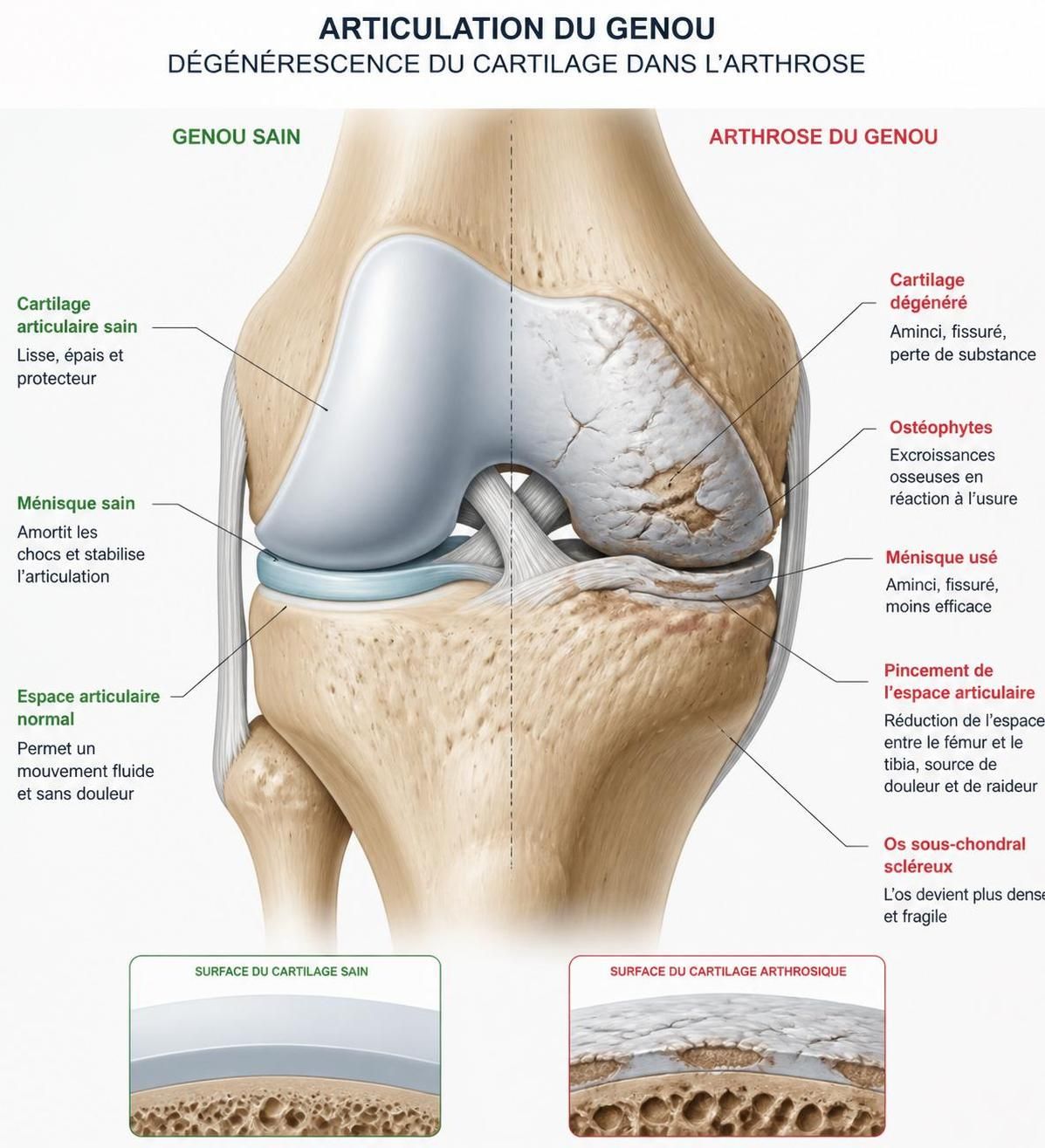
The most common symptoms of osteoarthritis
- Joint pain: variable, often related to activity, can become persistent.
- Stiffness: especially after a period of immobility or upon waking.
- Cracking and crepitus: auditory and sensory signs of joint friction.
- Limited mobility: sometimes prevents daily activities.
- Swelling: sometimes present in case of local inflammation.
The reality behind miracle cure promises against osteoarthritis
Every week, new “miracle” remedies appear on the market in the form of dietary supplements, essential oils, poultices, or treatments from natural medicines. Many of them promise not only to reduce pain but also to regenerate cartilage, a particularly attractive hope.
However, professional opinions and scientific studies largely temper these claims. The synthesis conducted in 2022 by the Cochrane Collaboration, a recognized reference for scientific evaluation, compared the effects of these miracle remedies to a simple placebo in over 6,500 people with osteoarthritis.
Main findings from robust scientific studies
- None of these natural treatments demonstrate a significant improvement in terms of pain or joint structure beyond placebo.
- Reported beneficial effects are often weak and short-lived.
- Some supplements like glucosamine or harpagophytum may provide slight comfort, often unusable without exercise.
- Adverse reactions remain rare but are not nonexistent, notably with some ointments or essential oils.
Among the often mentioned natural methods are also :
- Herbal teas and Chinese remedies
- CBD oil intake
- Applications of green clay poultices or balms such as tiger balm
- Alternative therapies such as acupuncture, osteopathy, or chiropractic
These solutions share a common simplicity of use: an external application or quick ingestion, without physical effort, hence their often too promising label as “miracle remedies.”
Physical exercise: the safest and most effective ally against osteoarthritis
Among all treatments, if a “natural remedy” really stands out, it is adapted physical activity. Emphasizing the importance of osteoarthritis prevention and preservation of joint mobility, healthcare professionals continuously recommend a regular program of appropriate exercises.
The best osteoarthritis treatment is based on functional sessions including:
- Moderate aerobic exercises such as brisk walking or cycling at controlled intensity.
- Targeted muscle strengthening, with simple movements without equipment, for example squats, sit-to-stand, or use of resistance bands.
- Gentle practices such as Tai Chi or Qigong combining strengthening and relaxation.
A frequency of 2 to 3 times per week for at least 20 to 30 minutes is recommended to hope for a beneficial effect on pain and functional abilities. These activities help reduce inflammation, improve muscle strength, and limit mechanical stresses on the joints.
Compared to other interventions (occasional or medicinal), physical exercise acts on several levels simultaneously: it improves general physical condition, mood, and helps prevent joint degradation through muscle strengthening.
Table: Expected effects according to practices on osteoarthritis
| Type of intervention | Effect on pain | Functional improvement | Side effects |
|---|---|---|---|
| Regular physical exercise | Moderate reduction (about 10%) | Notable progression | Rare temporary increase in pain |
| Natural supplements (glucosamine, harpagophytum) | Weak effect, near placebo | No significant improvement | Uncommon but possible |
| Creams and essential oils | Temporary relief, probable placebo effect | No lasting functional effect | Possible skin irritation |
| Strict rest | Little or no benefit | Probable deterioration in the long term | Muscle weakness, increased stiffness |
Limitations and precautions around natural treatments against osteoarthritis
While understanding the temptation to use natural medicines to relieve joint pain, it is appropriate to adopt a reasoned approach based on facts. The lack of guaranteed effectiveness and the absence of reparative power on cartilage are realities to consider to avoid frustration and unnecessary expenses.
For specific pains sometimes associated with osteoarthritis such as hip pain, consulting a specialist is useful. For example, a specialized physiotherapist will provide adapted and personalized follow-up. Likewise, for pain worsened by inflammatory phenomena, scientifically validated targeted solutions remain essential.
List of advice for optimal osteoarthritis management:
- Maintain regular physical activity adapted to one’s abilities.
- Favor a balanced diet rich in natural anti-inflammatories.
- Avoid overweight to reduce joint stress.
- Consult professionals for personalized follow-up, especially in case of specific pains such as ankle pain.
- Be vigilant about side effects of natural treatments.
Can osteoarthritis be completely cured?
Osteoarthritis is a chronic and degenerative disease: there is currently no miracle cure capable of fully curing it. However, its symptoms can be effectively relieved.
What are the best treatments to relieve osteoarthritis?
Effective treatments combine regular physical exercise, pain management through medications or validated methods, and lifestyle adaptation, including diet and weight.
Are natural remedies really effective?
Studies show that natural remedies rarely have a significant effect beyond placebo. They can provide temporary relief but do not modify joint degeneration.
How to adapt physical activity in case of osteoarthritis?
It is recommended to favor gentle but regular exercises, such as active walking, muscle strengthening exercises, and practices like Tai Chi, avoiding excessive effort.
When to consult a specialist for osteoarthritis?
In cases of severe pain, rapid symptom worsening, or severe mobility limitation, medical advice is essential to adjust treatment.


